Hudson, NH Commercial Roofing
Hudson's manufacturing and distribution buildings off the Sagamore Bridge corridor carry equipment-laden flat roofs, where penetration flashings and clear drains decide whether winter stays outside.

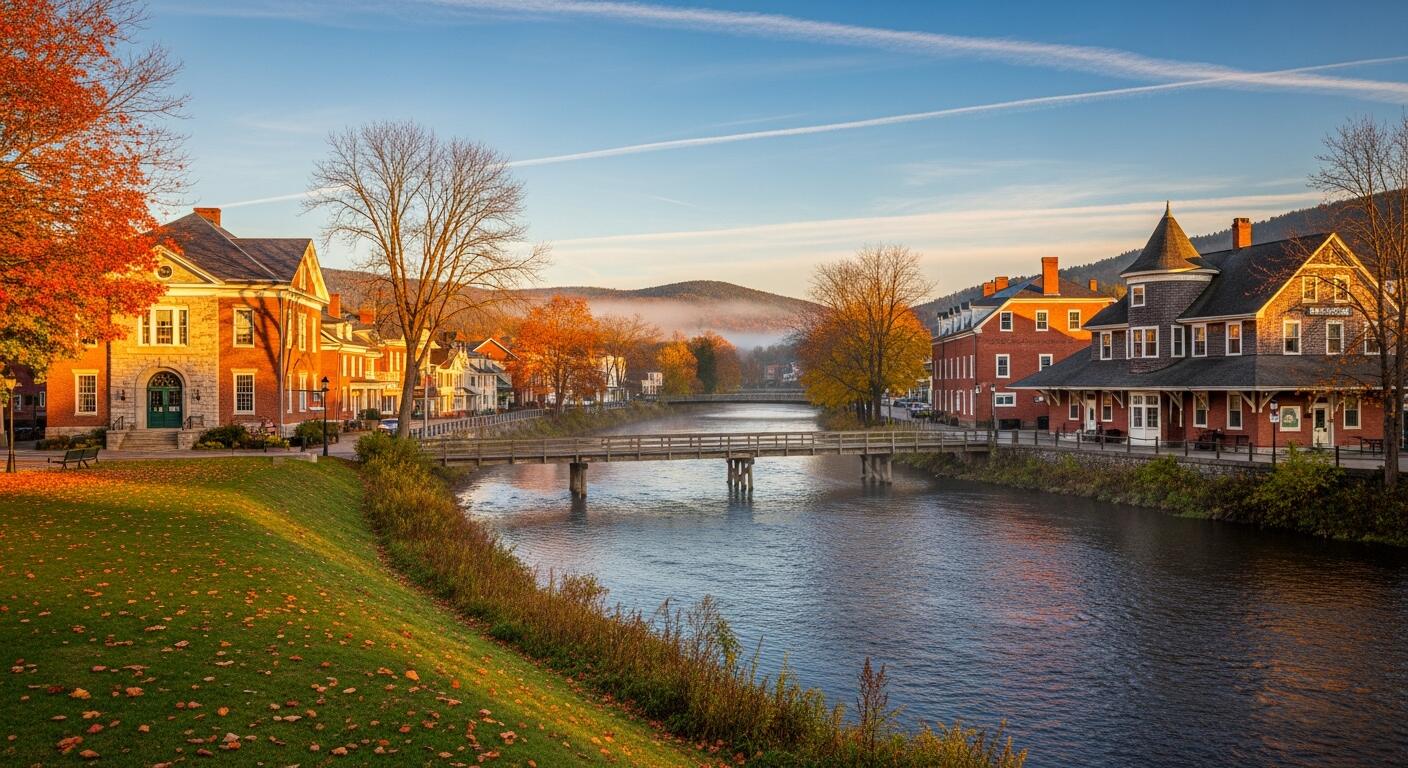
Commercial roofing coverage across Manchester, Hillsborough County, the Merrimack Valley, and southern New Hampshire.
Use these roof scopes to compare service needs, system choices, building constraints, and location-specific planning notes across southern New Hampshire.
Contact Us
Hudson's manufacturing and distribution buildings off the Sagamore Bridge corridor carry equipment-laden flat roofs, where penetration flashings and clear drains decide whether winter stays outside.
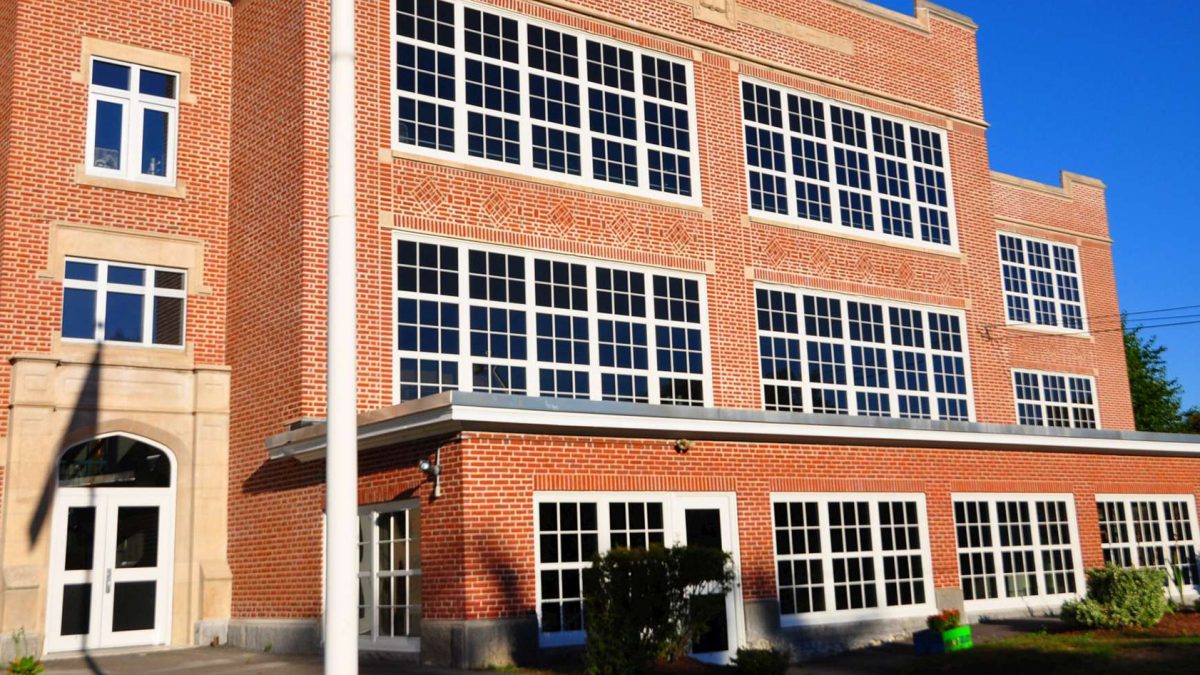
In Bakersville's dense residential-commercial fabric on Manchester's south side, tight lots make staging and debris control as important as the roof membrane itself.
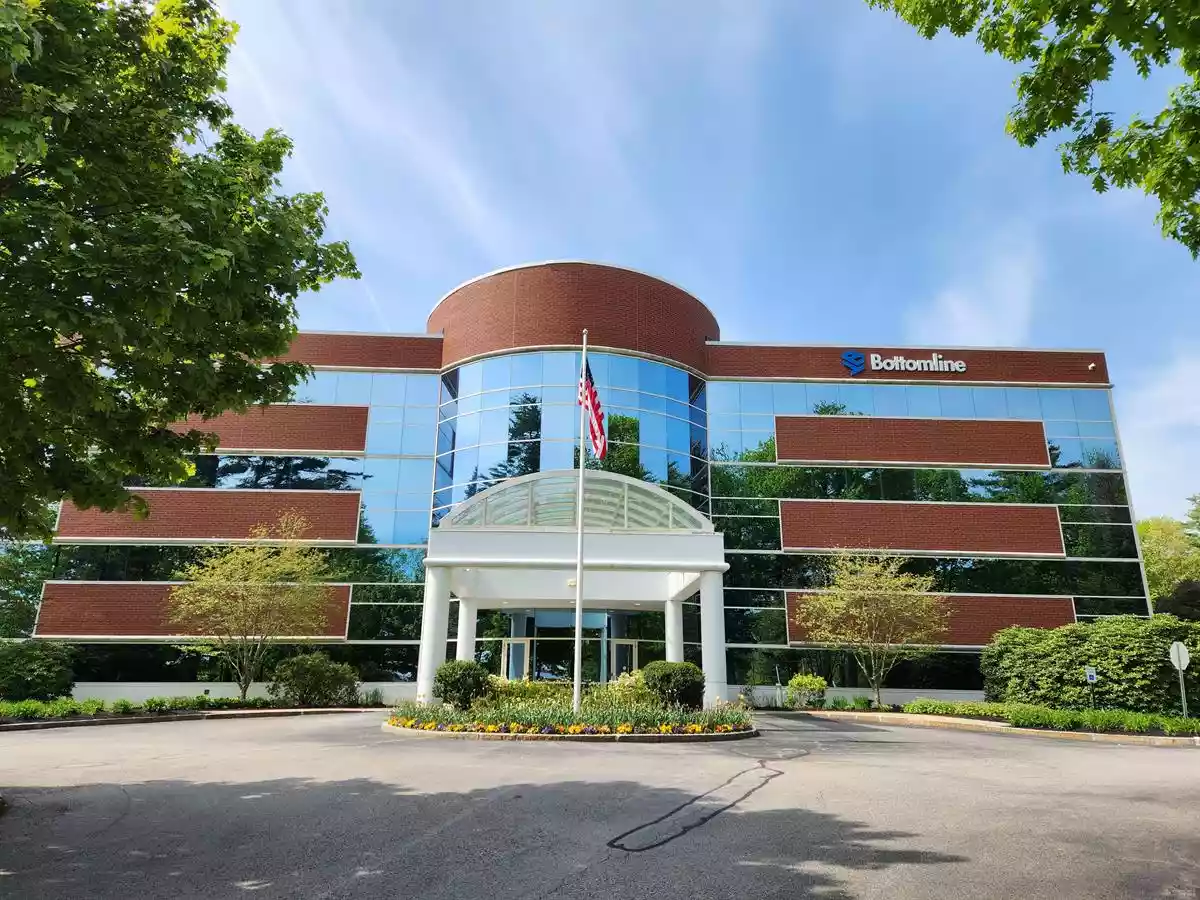
Roofs at Pease Tradeport take salt-laden air off the Seacoast on top of New Hampshire's freeze-thaw, so corrosion-resistant edge metal and tight membranes matter doubly here.
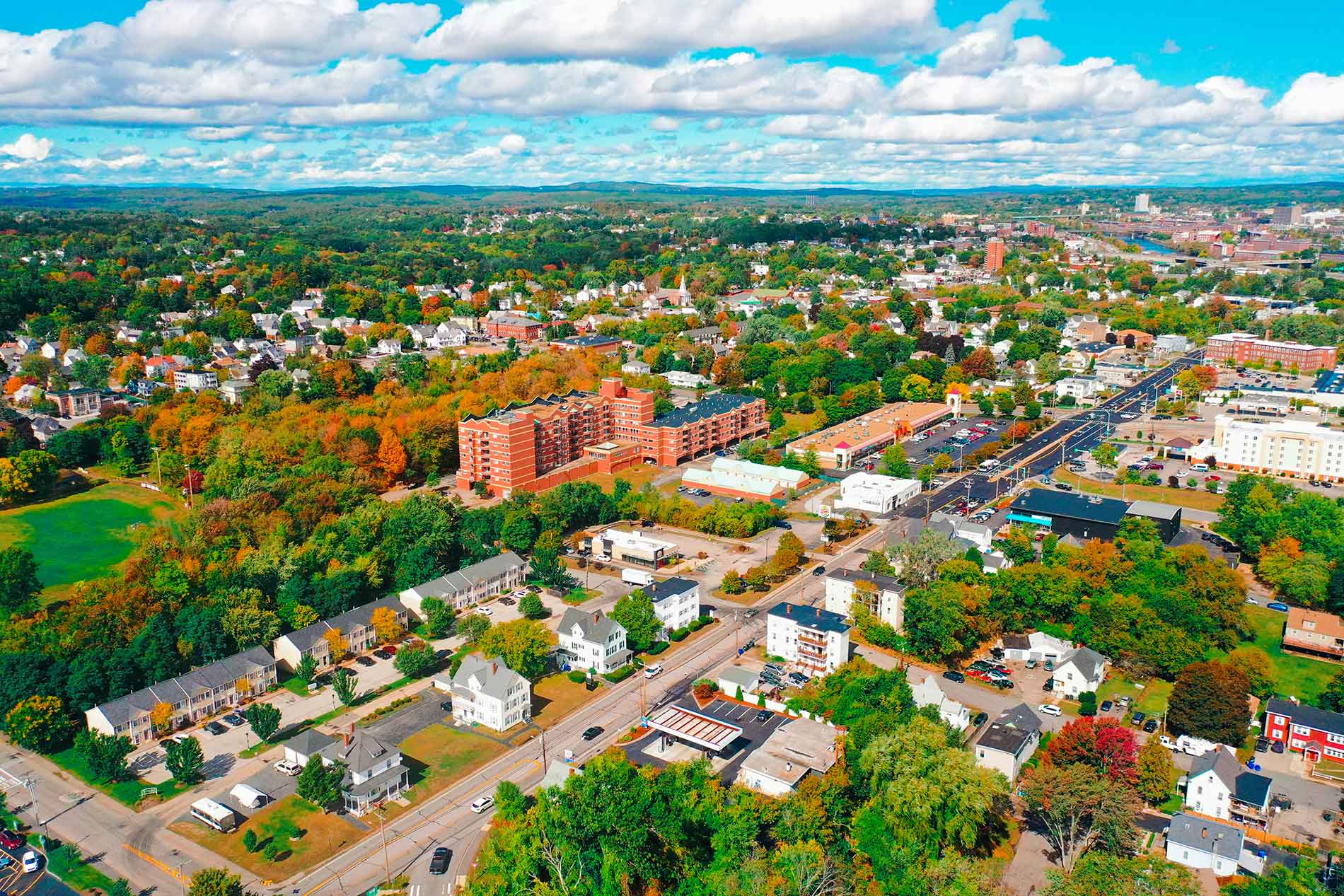
Bedford's office parks and upscale retail along Route 101 favor clean reflective membranes; we keep these flat roofs draining and dried-in without disrupting a busy commercial corridor.

Industrial and warehouse roofs near the Bow generating station and I-89 cover wide low-slope spans where ponding and snow loading drive most of the repair work.
Commercial buildings near the Suncook River in Allenstown face wind off open ground and steady freeze-thaw, so roof checks here focus on perimeter metal and drains that stay clear through spring melt.
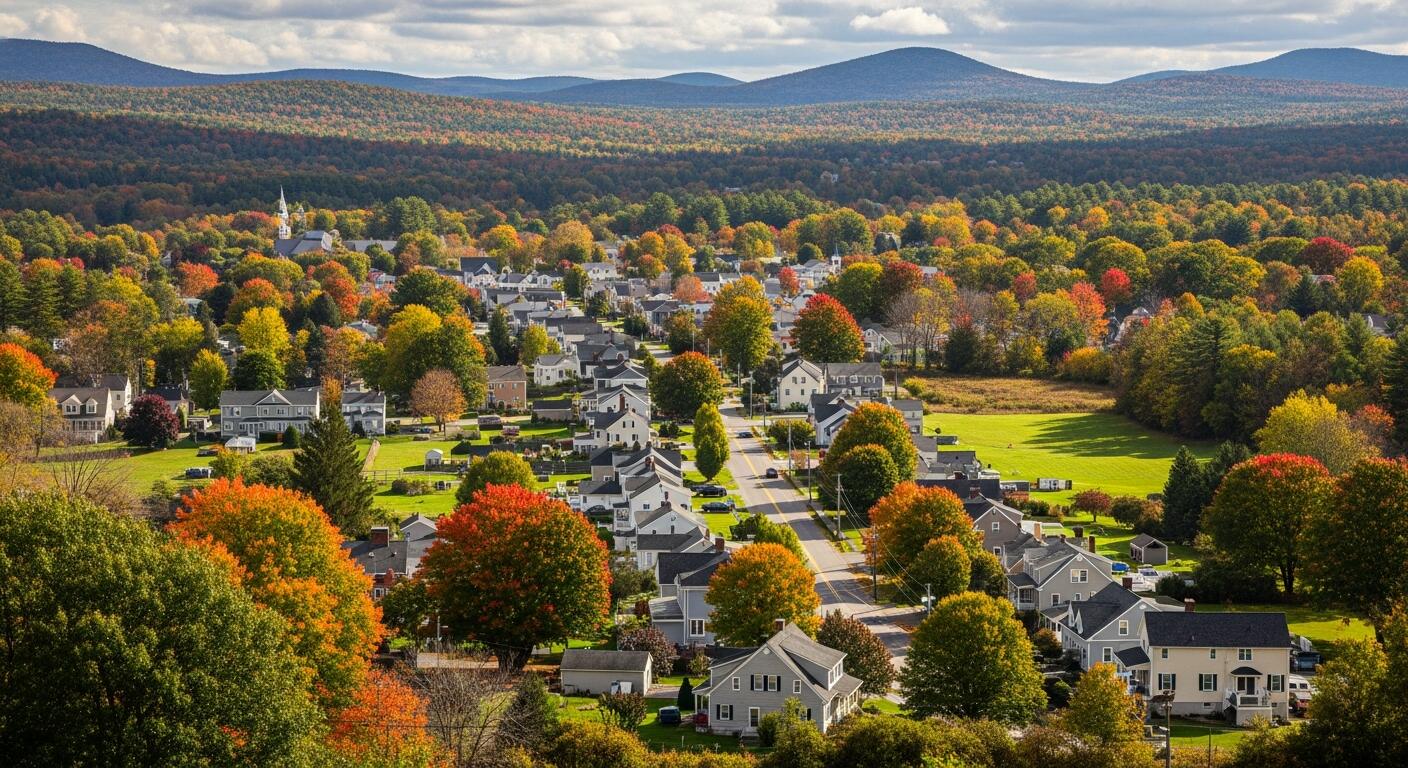
Londonderry's airport-adjacent industrial parks and distribution centers near Pettengill Road mean expansive flat roofs where drainage and seam performance carry the load each winter.
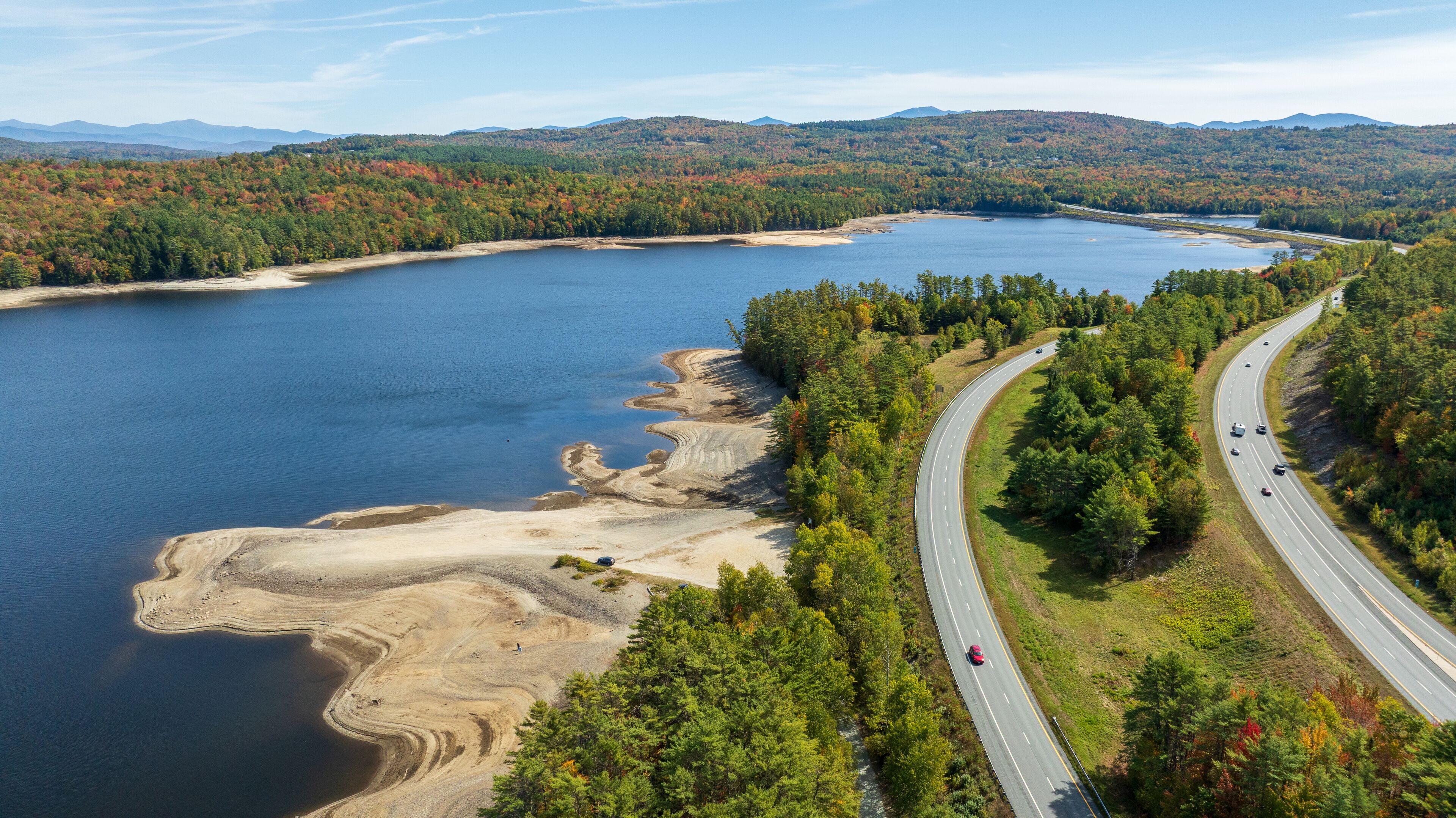
Weare's rural commercial and municipal buildings face open exposure and deep snow, so roofing here relies on durable membranes and slopes that clear before loads build up.
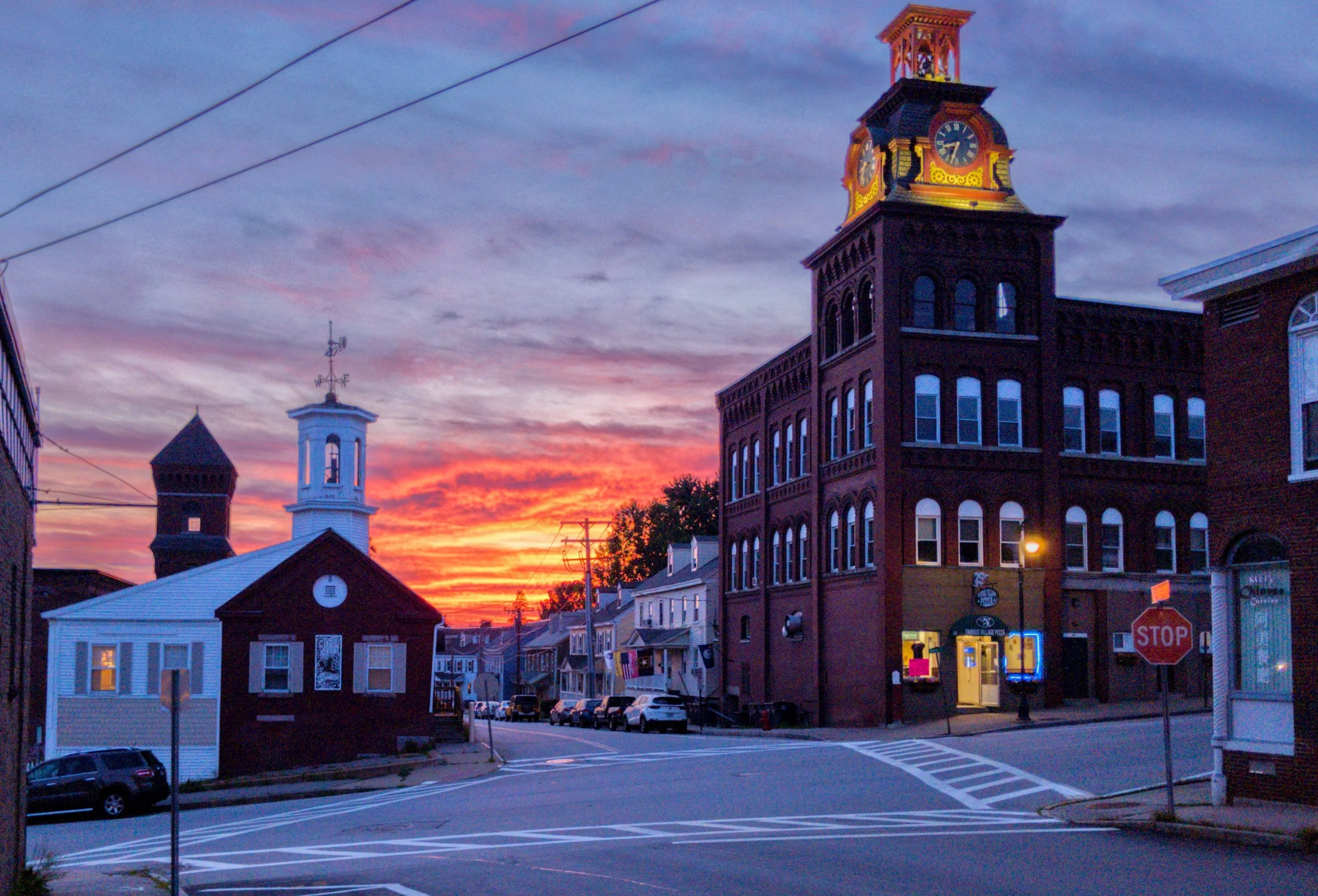
Suncook's mill-village commercial buildings along the river carry older low-slope roofs that benefit from careful seam and drain work before each New Hampshire winter.
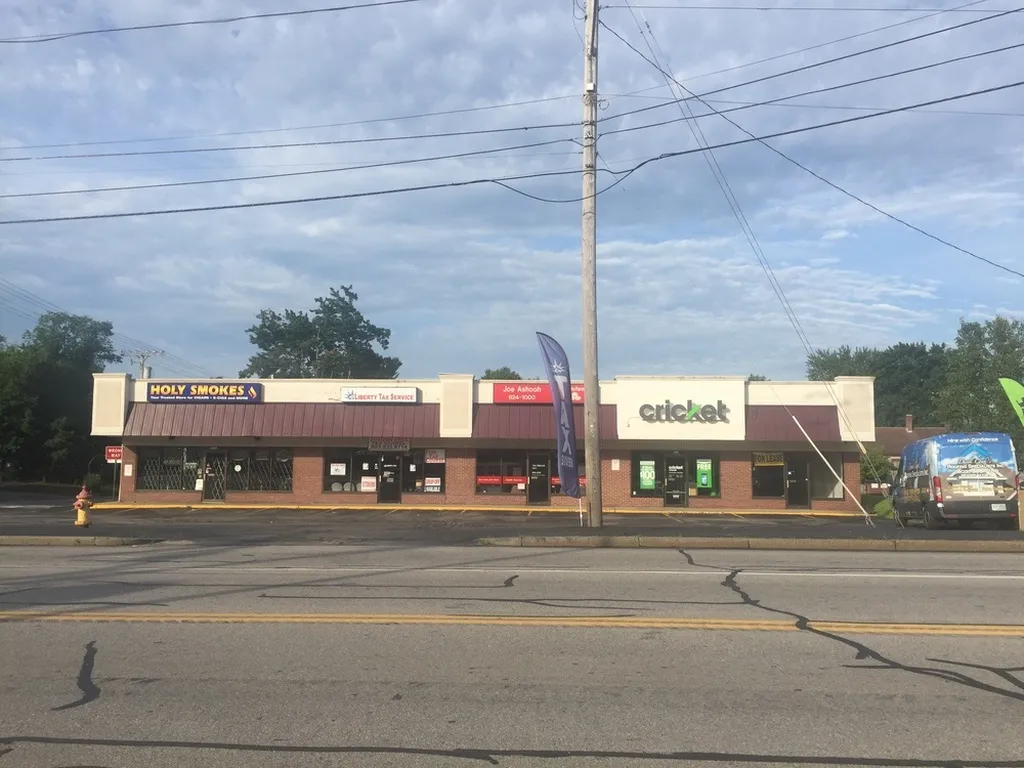
South Willow Street's auto dealerships and big-box retail run acres of flat roof over busy showrooms and sales floors, where drainage and phased work keep operations dry and open.
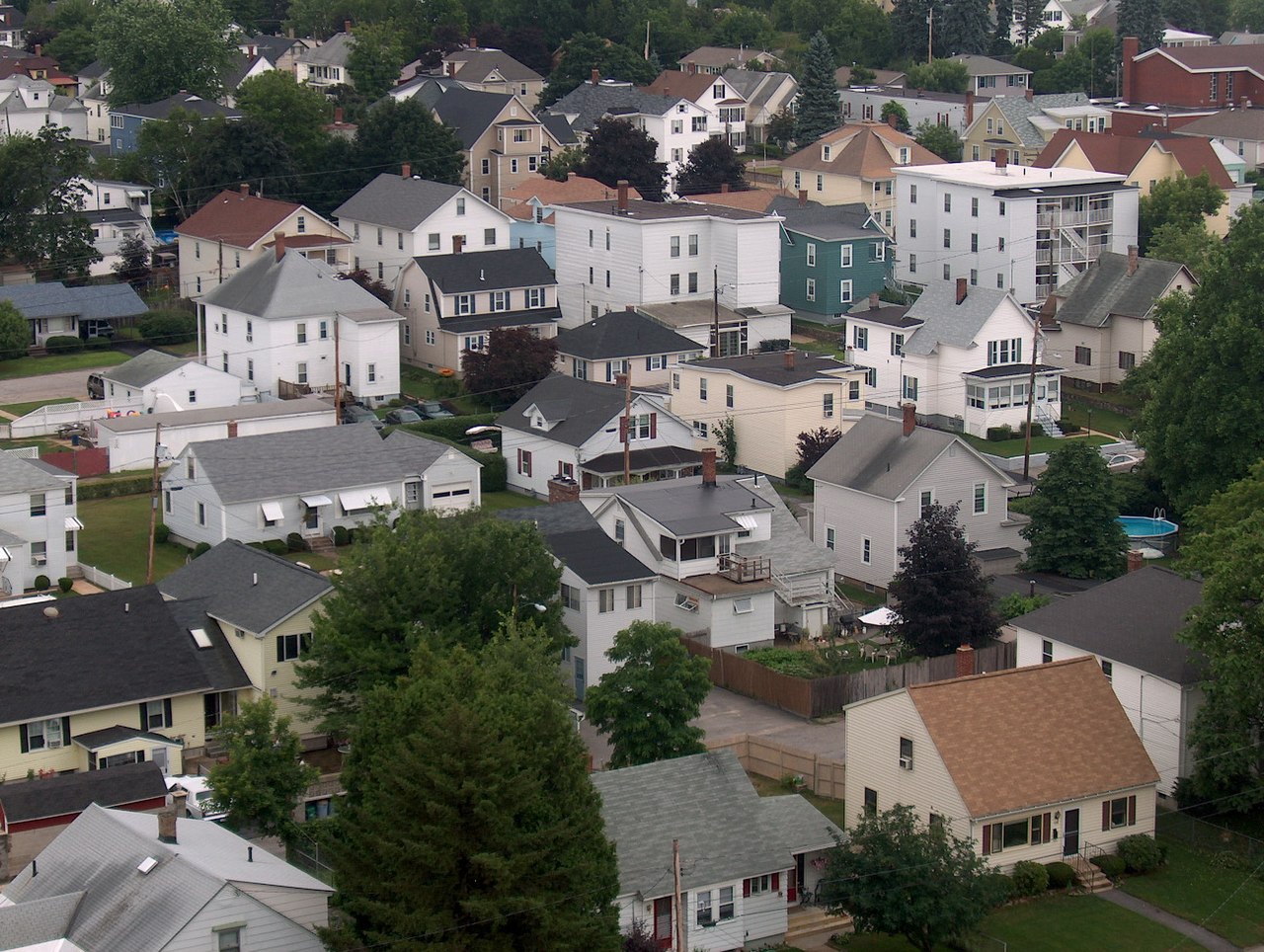
Around Corey Square, older mixed-use buildings carry low-slope roofs over occupied storefronts, so leak repairs are sequenced to keep ground-floor tenants dry through winter.
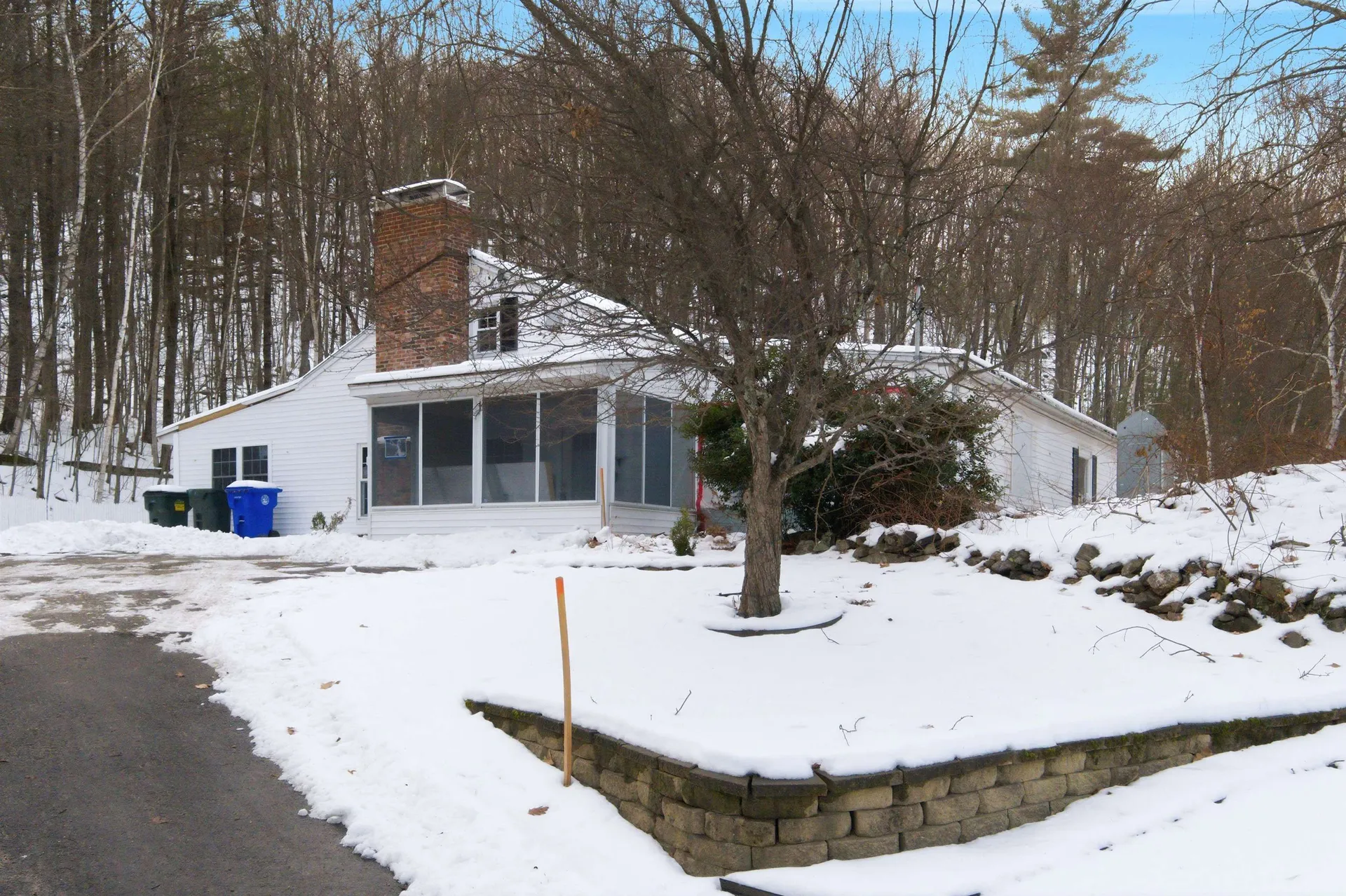
The Straw-Smyth area north of downtown Manchester holds established commercial and institutional roofs whose flashings and drains we keep tight against ice-dam buildup.
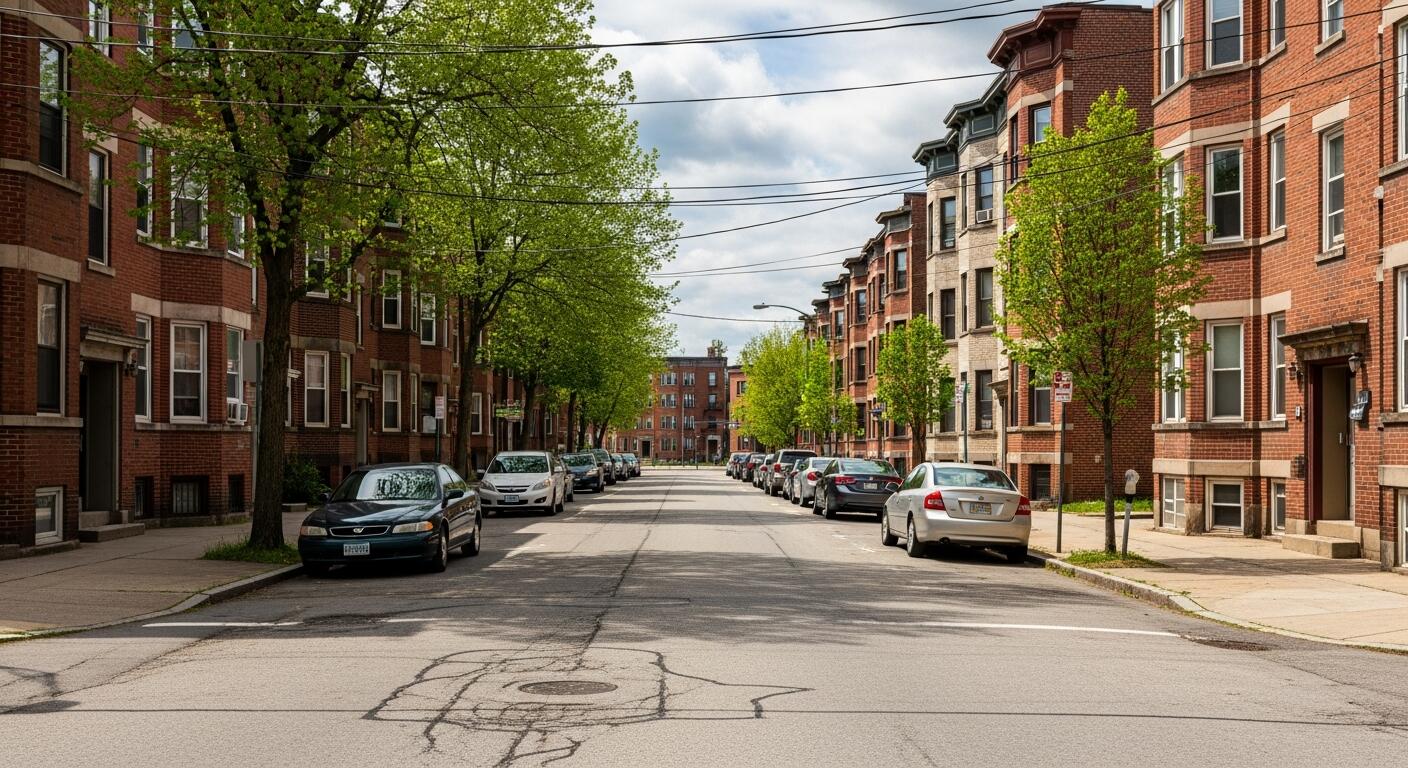
The Kalivas-Union area east of downtown Manchester holds older commercial and mill-era buildings whose aging low-slope roofs need honest assessment before another freeze-thaw season.
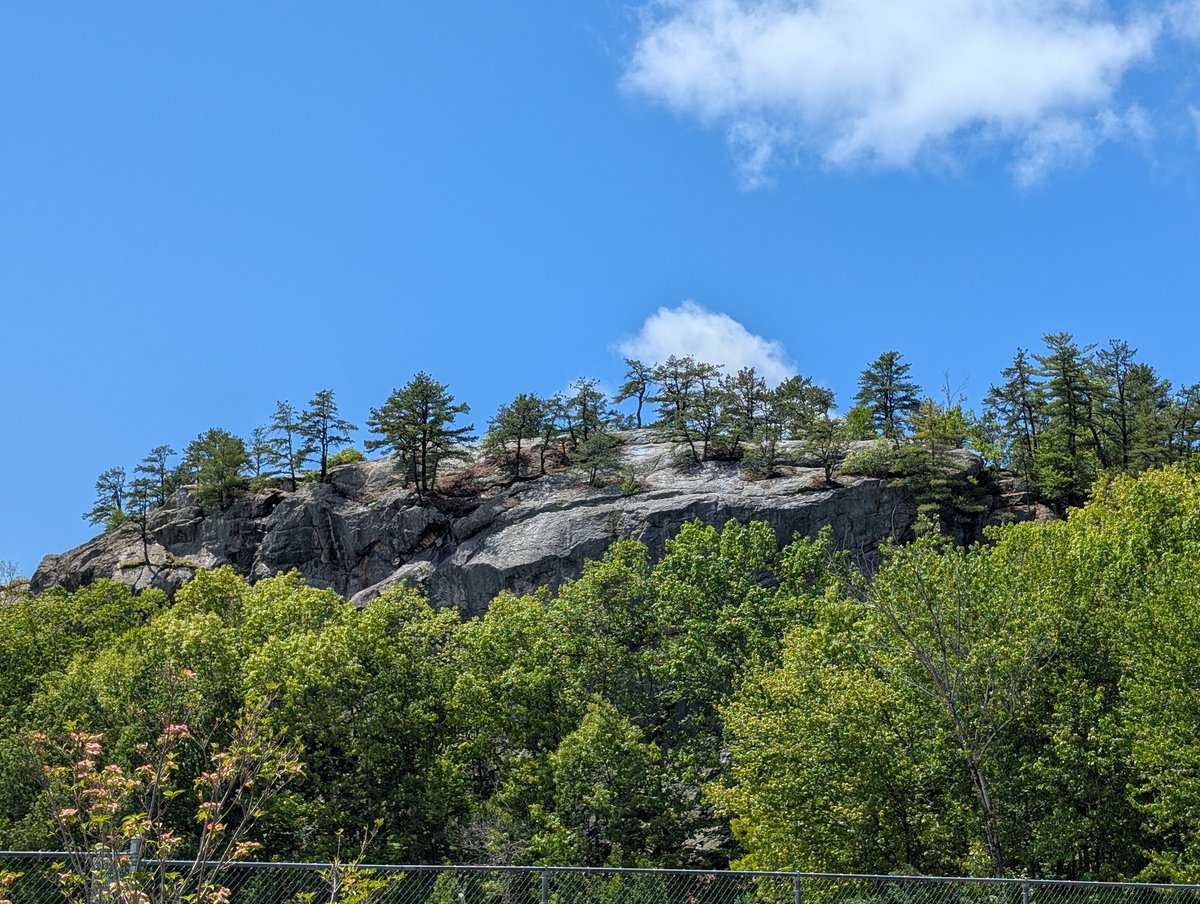
Rimmon Heights on Manchester's west side mixes dense residential with neighborhood commercial roofs, where tight access and reliable drainage shape every cold-season repair.
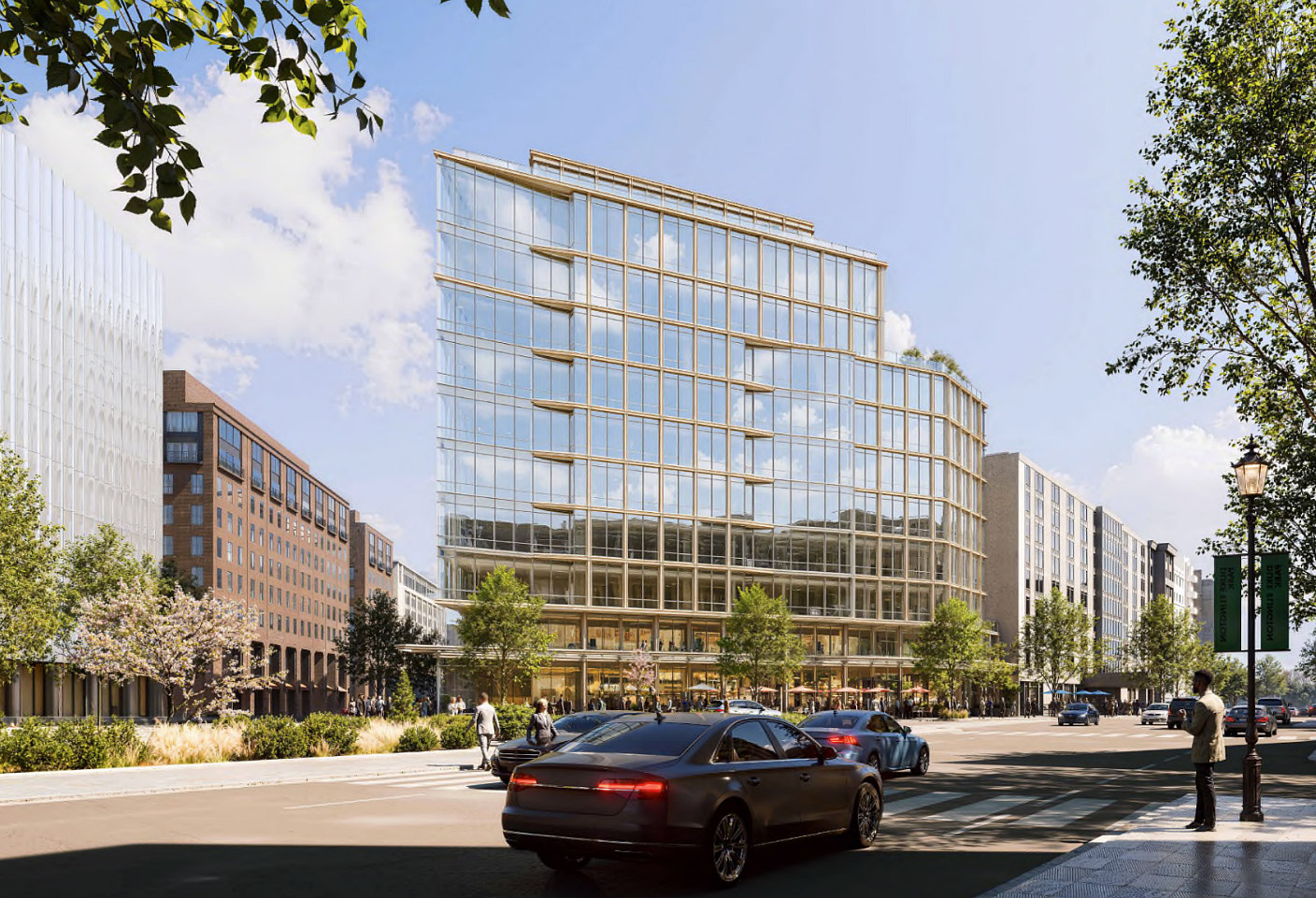
Northwest Business Park's flex and office buildings off Hackett Hill Road feature broad low-slope roofs where ponding and seam integrity are the recurring winter concerns.
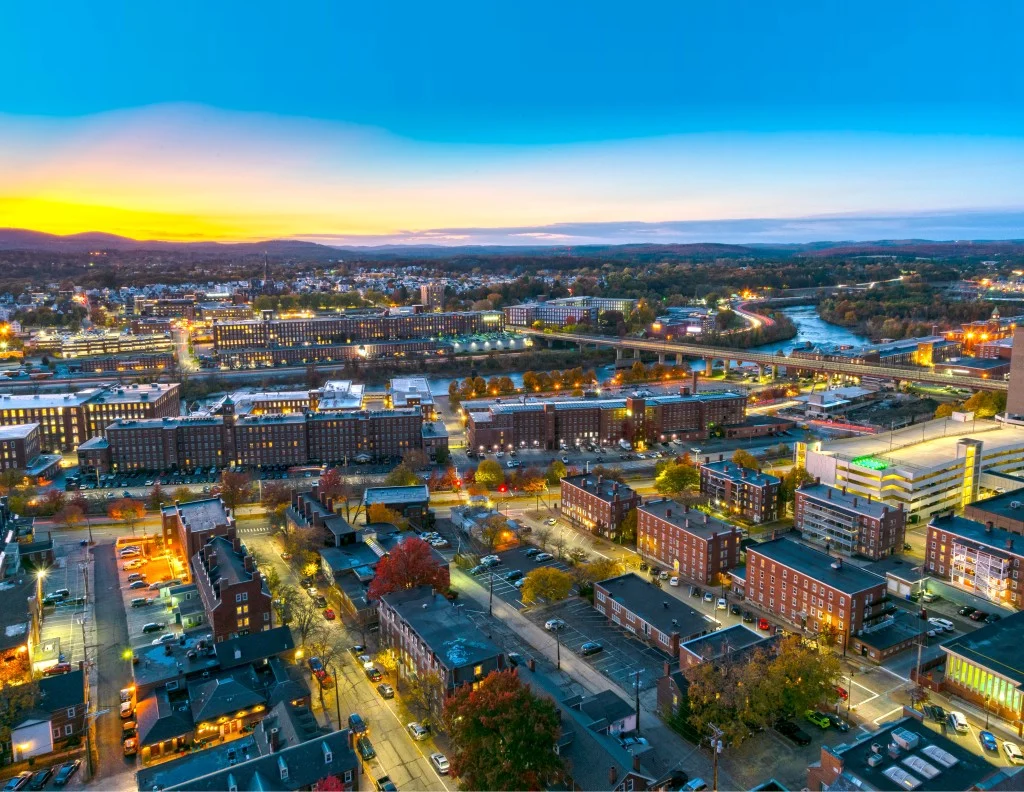
Milford's Oval-area commercial blocks and granite-country industrial buildings carry a mix of roof ages, where parapet flashings and drains drive most cold-season repairs.

Along the Elm Street corridor, ground-floor retail under upper-floor offices means one roof protects several tenants, so we phase work to keep the whole stack dry.
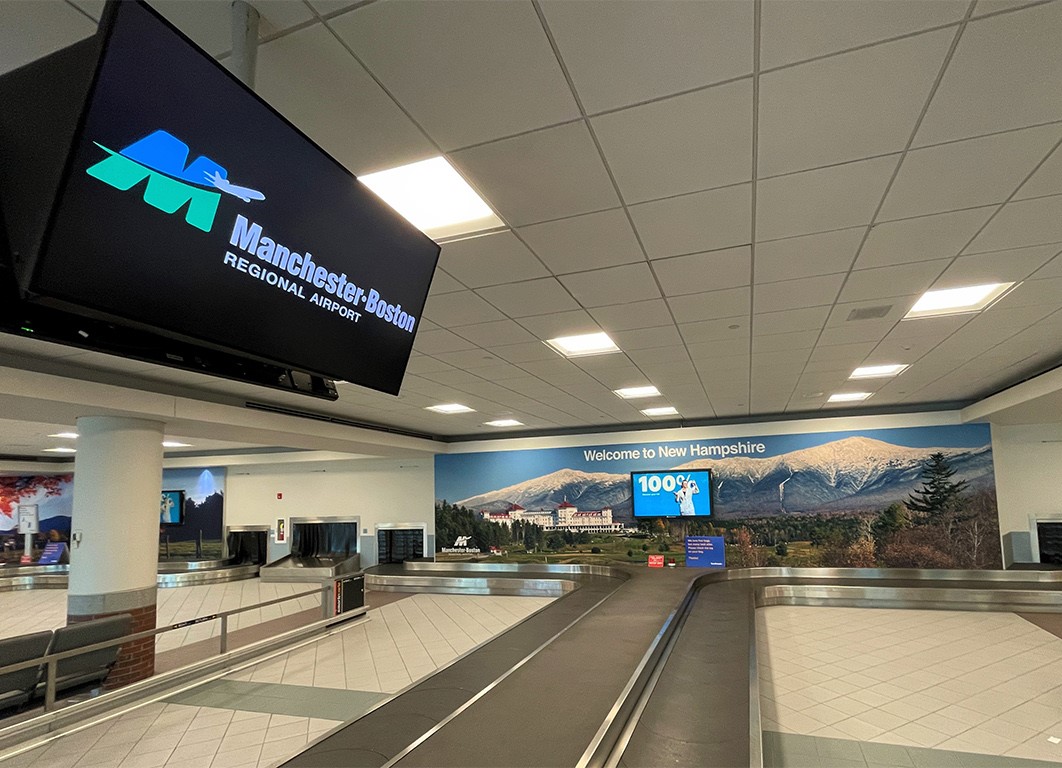
As the largest city in New Hampshire, Manchester spans mill-era low-slope roofs, downtown towers, and suburban retail, each carrying its own freeze-thaw, drainage, and access challenges.
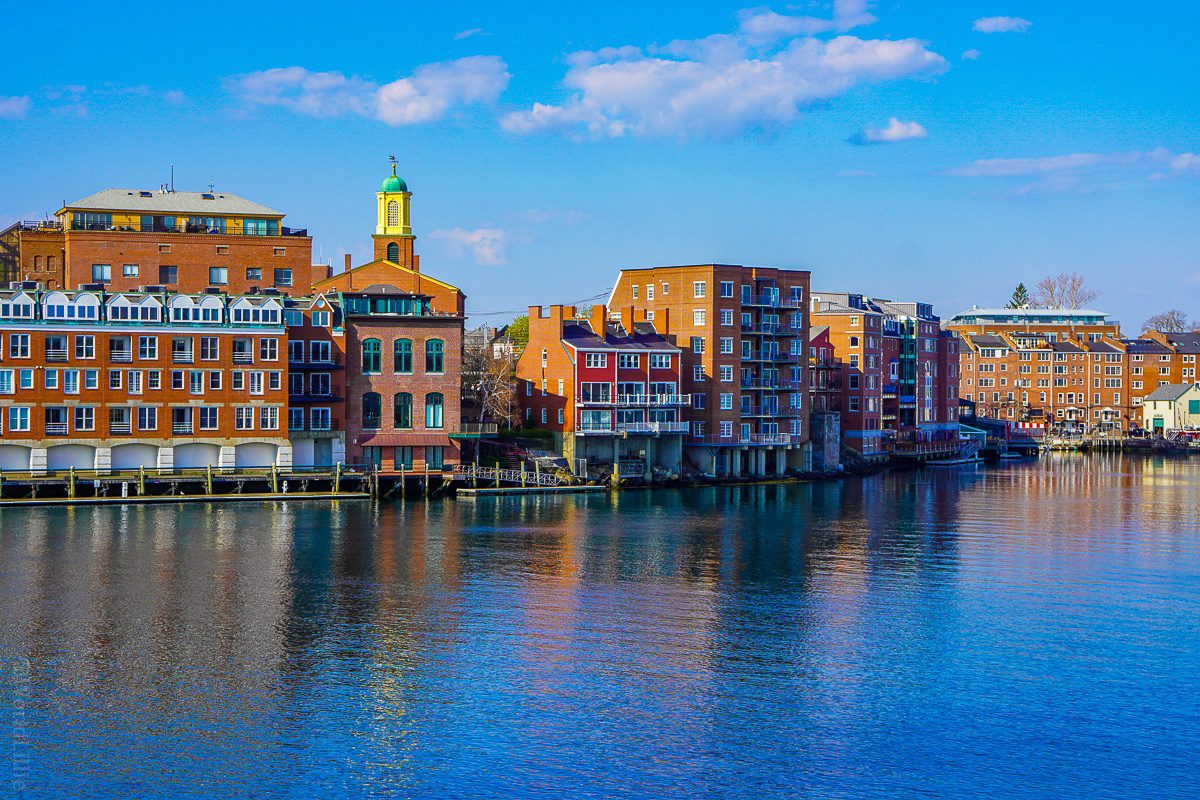
Portsmouth's historic downtown and waterfront commercial buildings battle coastal wind and salt air, so roof systems here are detailed against corrosion as much as against snow.
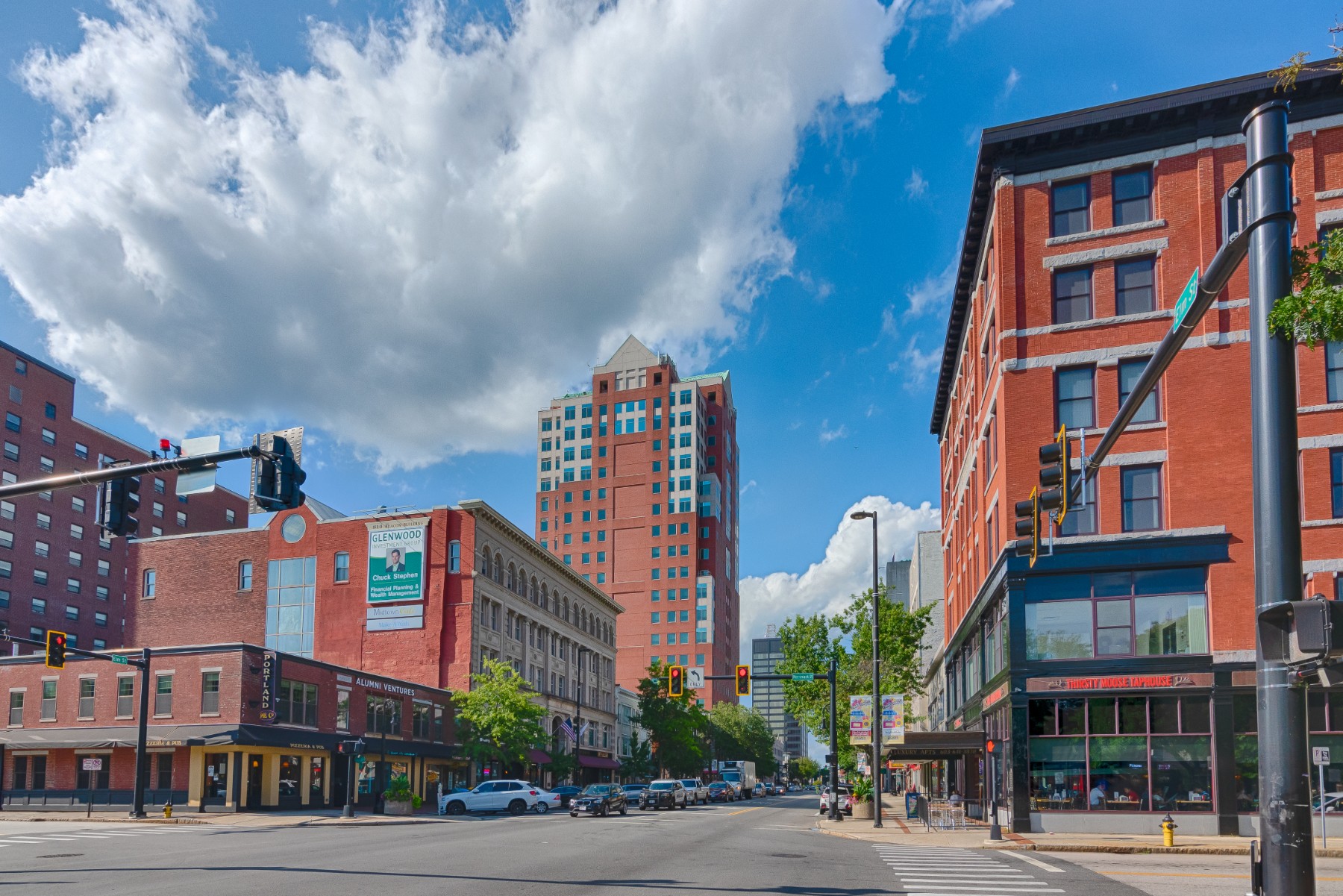
Downtown Manchester's Elm Street towers and mid-rise blocks rely on internal drains and tight parapet flashings, the failure points we watch most when ice and meltwater build up.
Hangars, terminals, and cargo buildings at Manchester-Boston Regional Airport demand roofs that handle wide spans, rooftop equipment, and uninterrupted operations through every weather event.
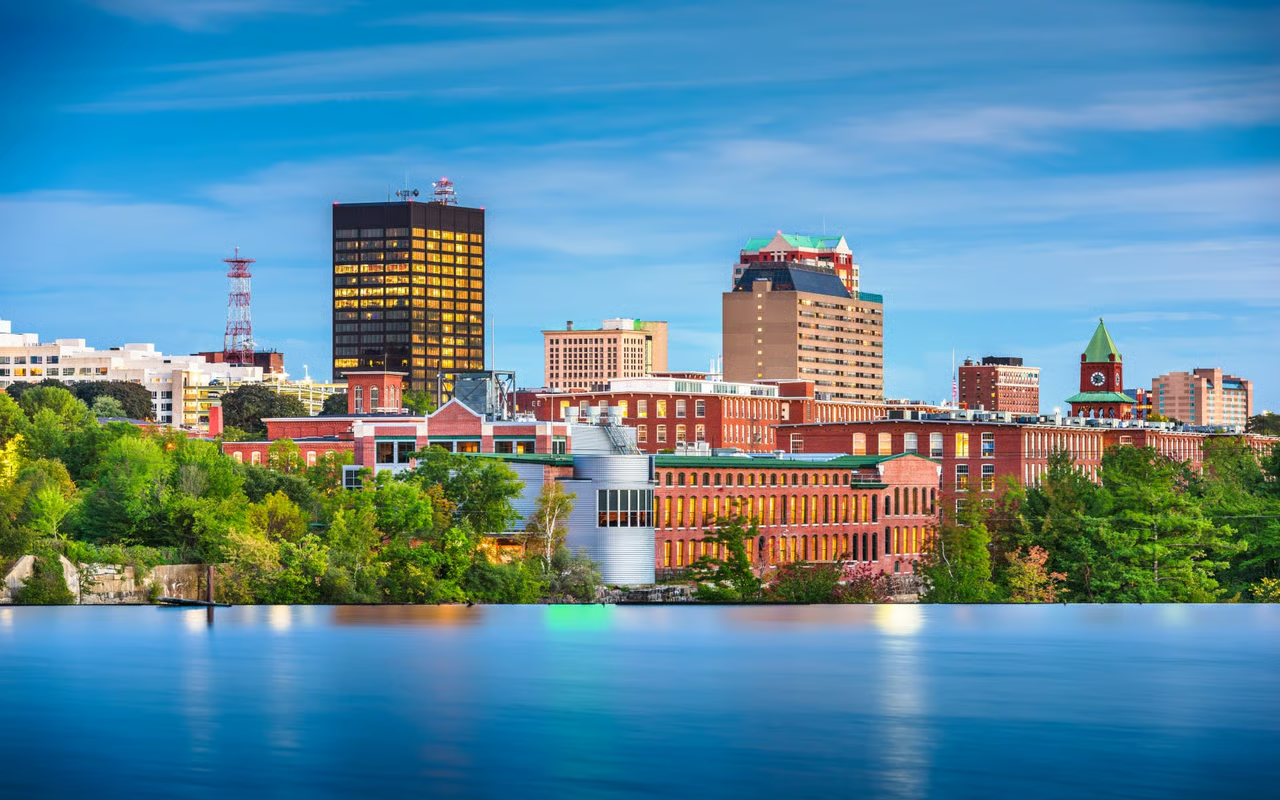
Merrimack's corporate campuses and the outlet retail along the F.E. Everett Turnpike rely on large reflective flat roofs we keep draining and watertight through the New Hampshire winter.
In the Youngsville area of Manchester, compact commercial and multifamily roofs sit close together, making meltwater control and seam integrity the focus each cold season.
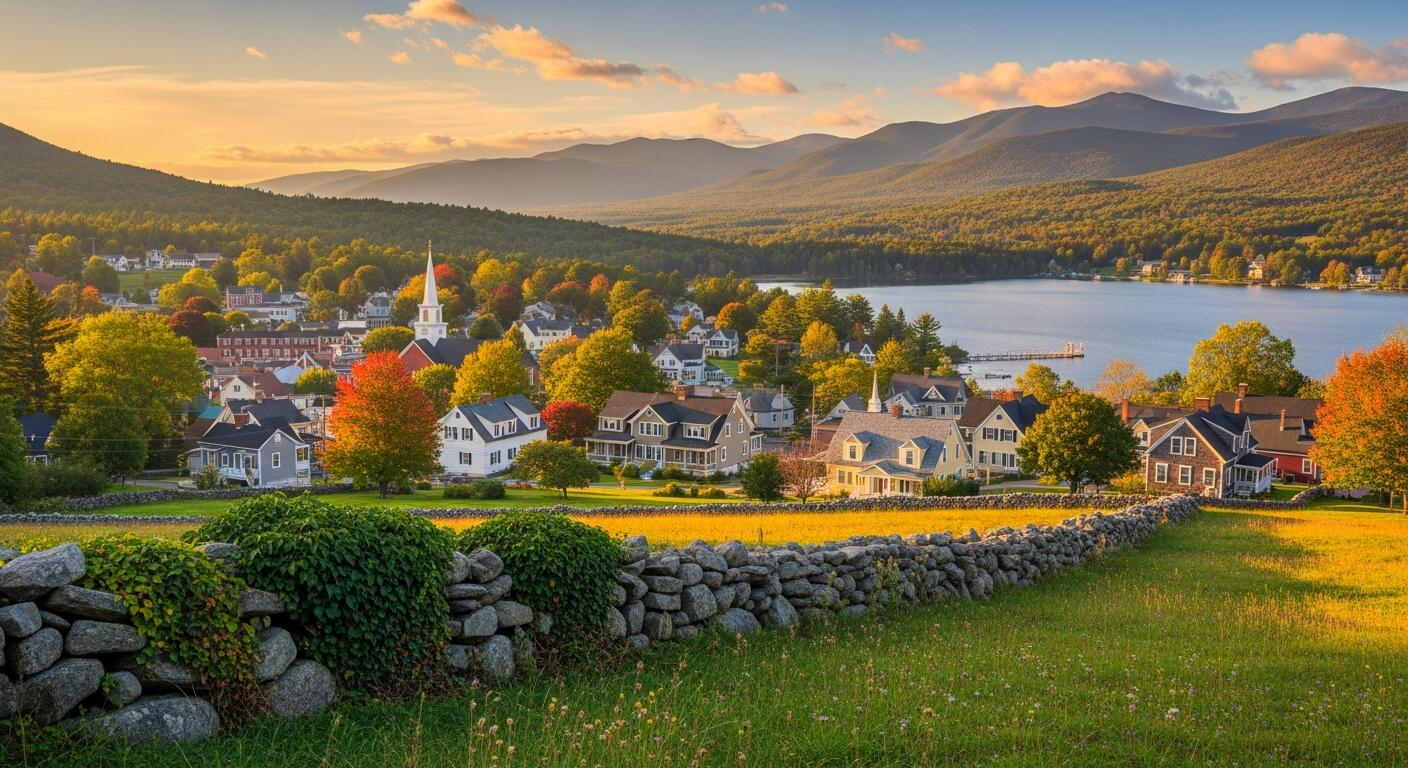
Lake-adjacent commercial properties around Auburn deal with wind exposure and heavy snow off Lake Massabesic, where tight flashings and working drains matter most each thaw.
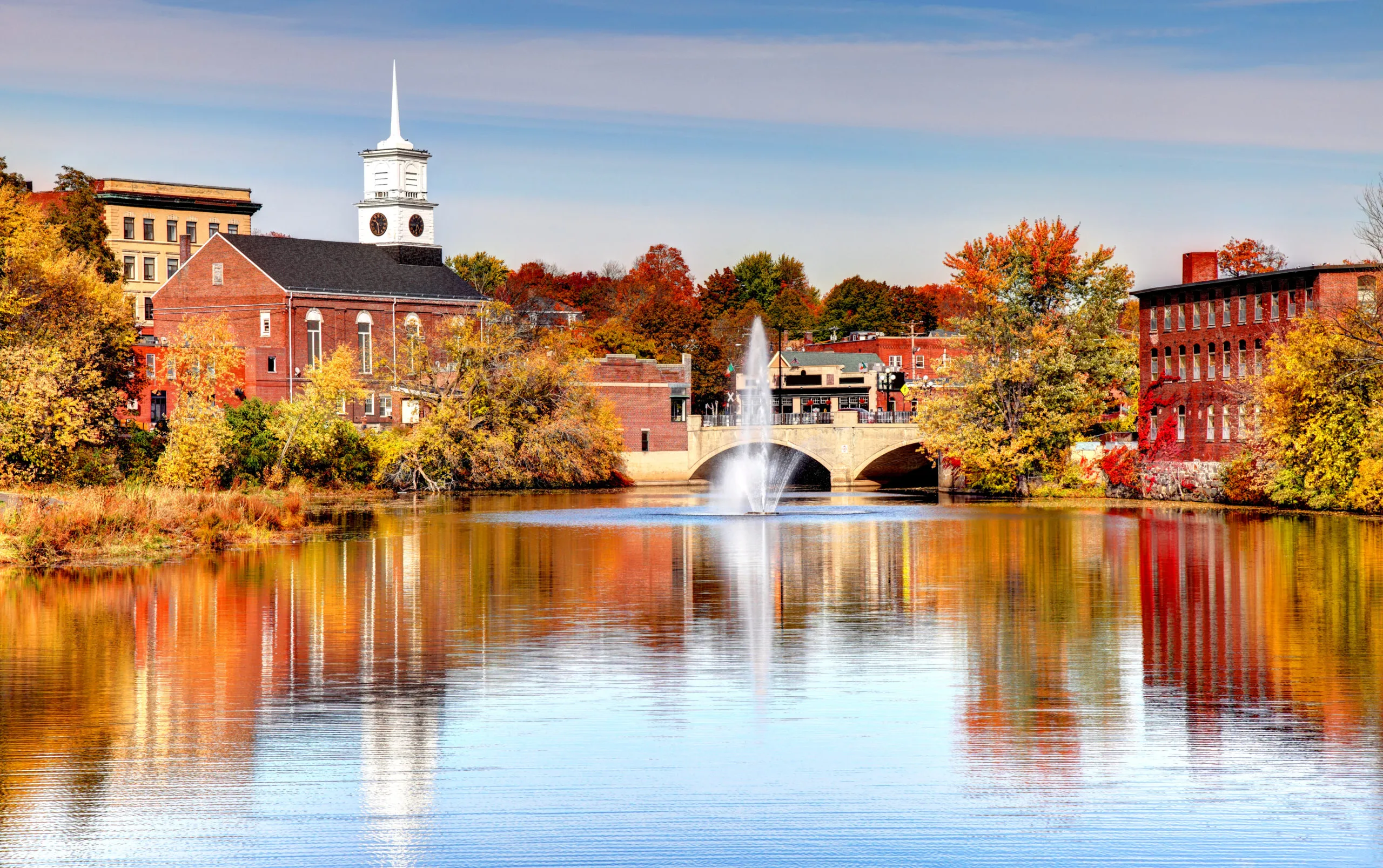
Nashua's downtown mills and Daniel Webster Highway retail corridor present a wide range of low-slope roofs; we tailor each scope to building age, drainage, and snow loading.
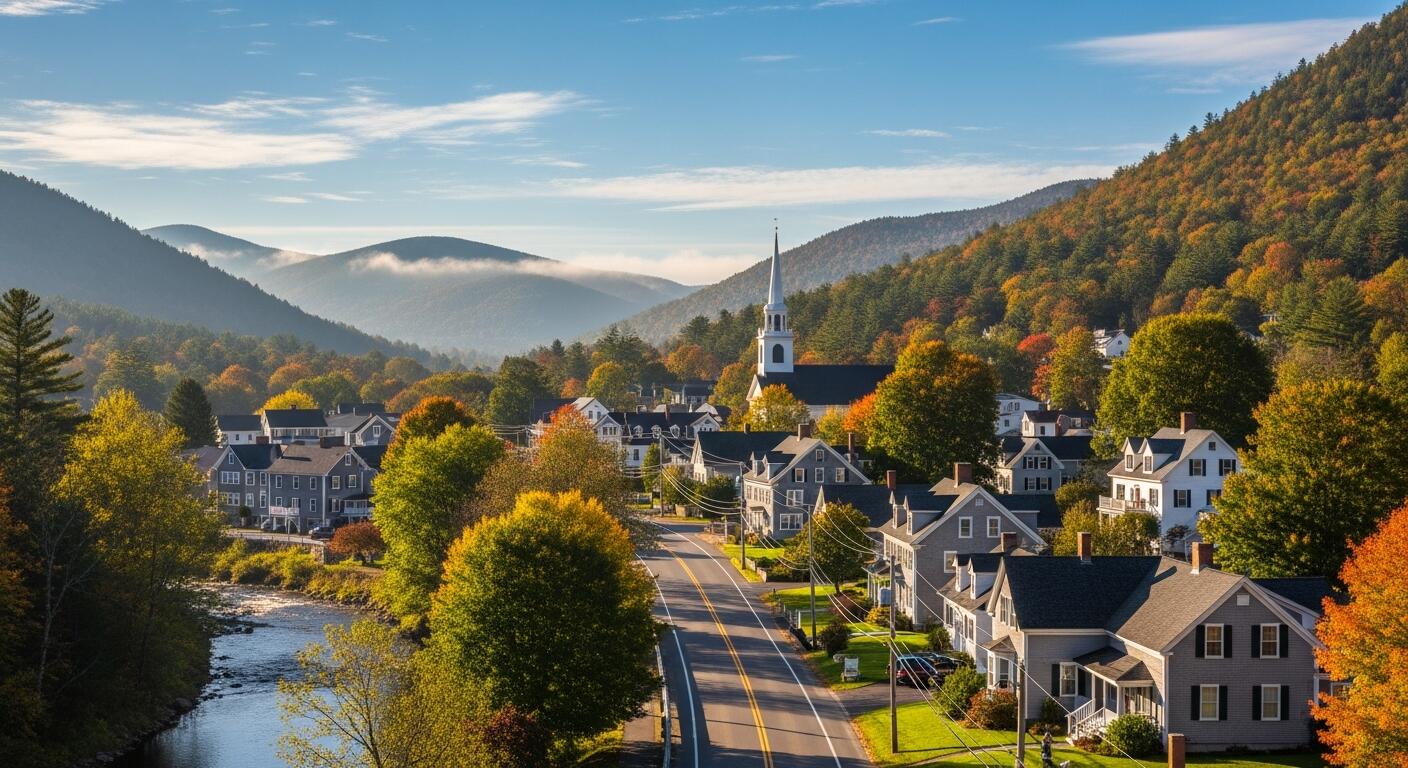
New Boston's rural commercial and town buildings face open-country wind and snow, so roof work here leans on tight perimeter metal and slopes that shed cleanly.
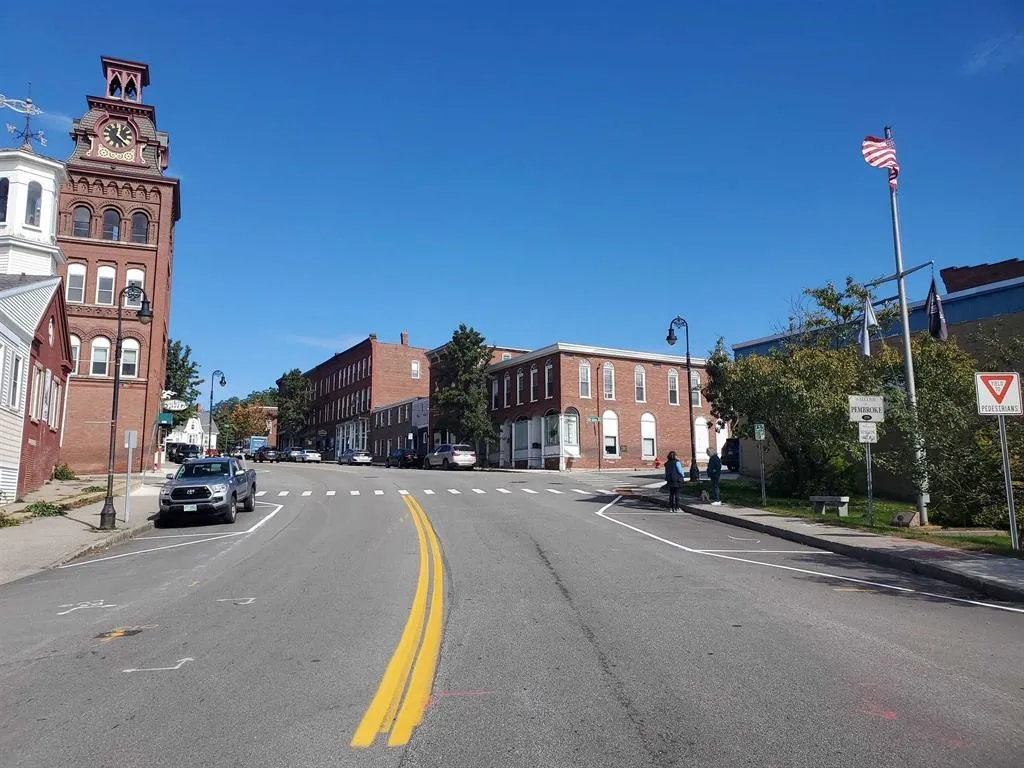
Pembroke's commercial and industrial buildings along Route 3 and the Suncook River carry low-slope roofs where clear drains and sound flashings see them through spring melt.
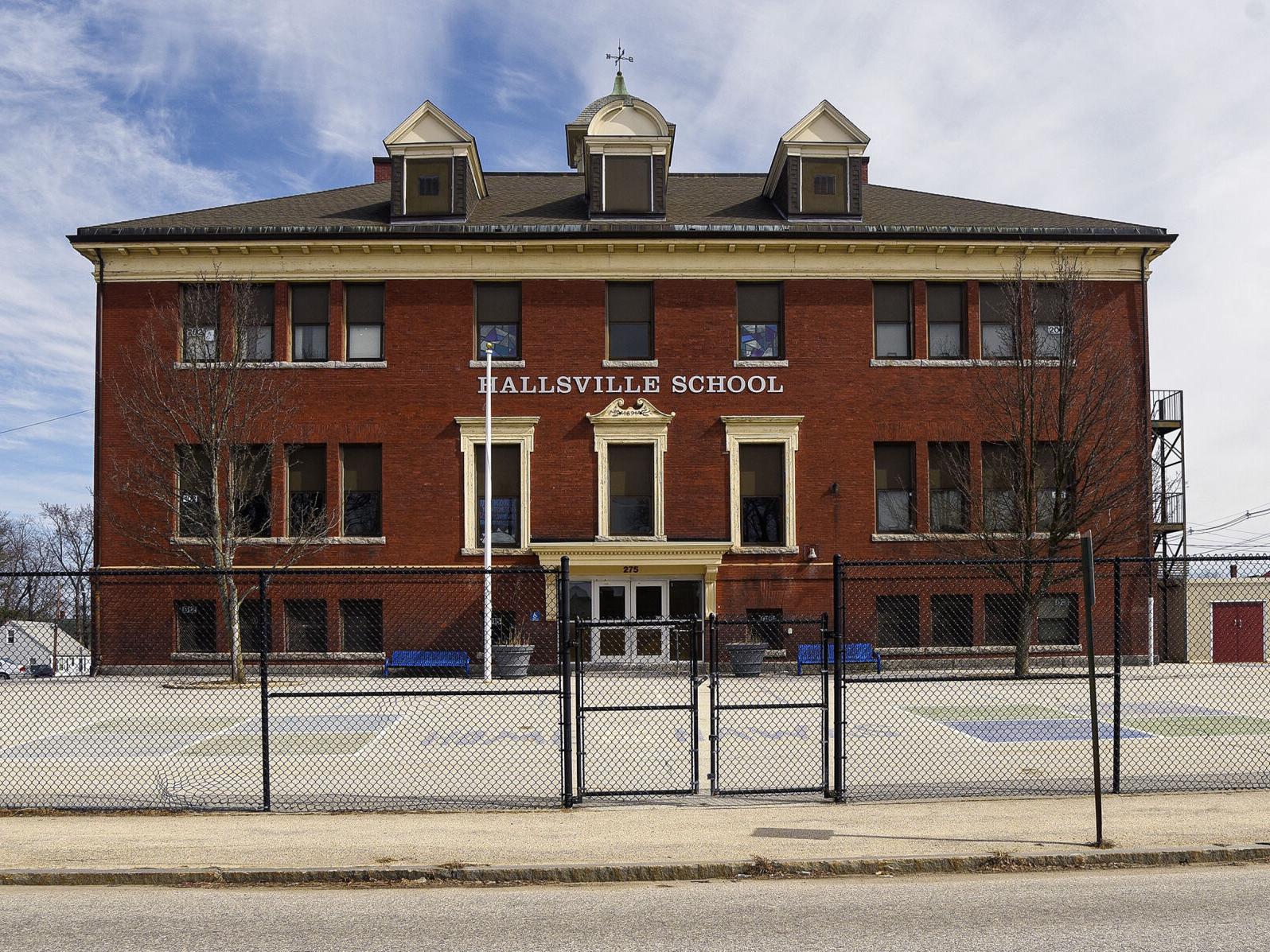
In Manchester's Hallsville neighborhood, compact commercial and multifamily roofs sit close together, making meltwater management and seam integrity the priorities each winter.
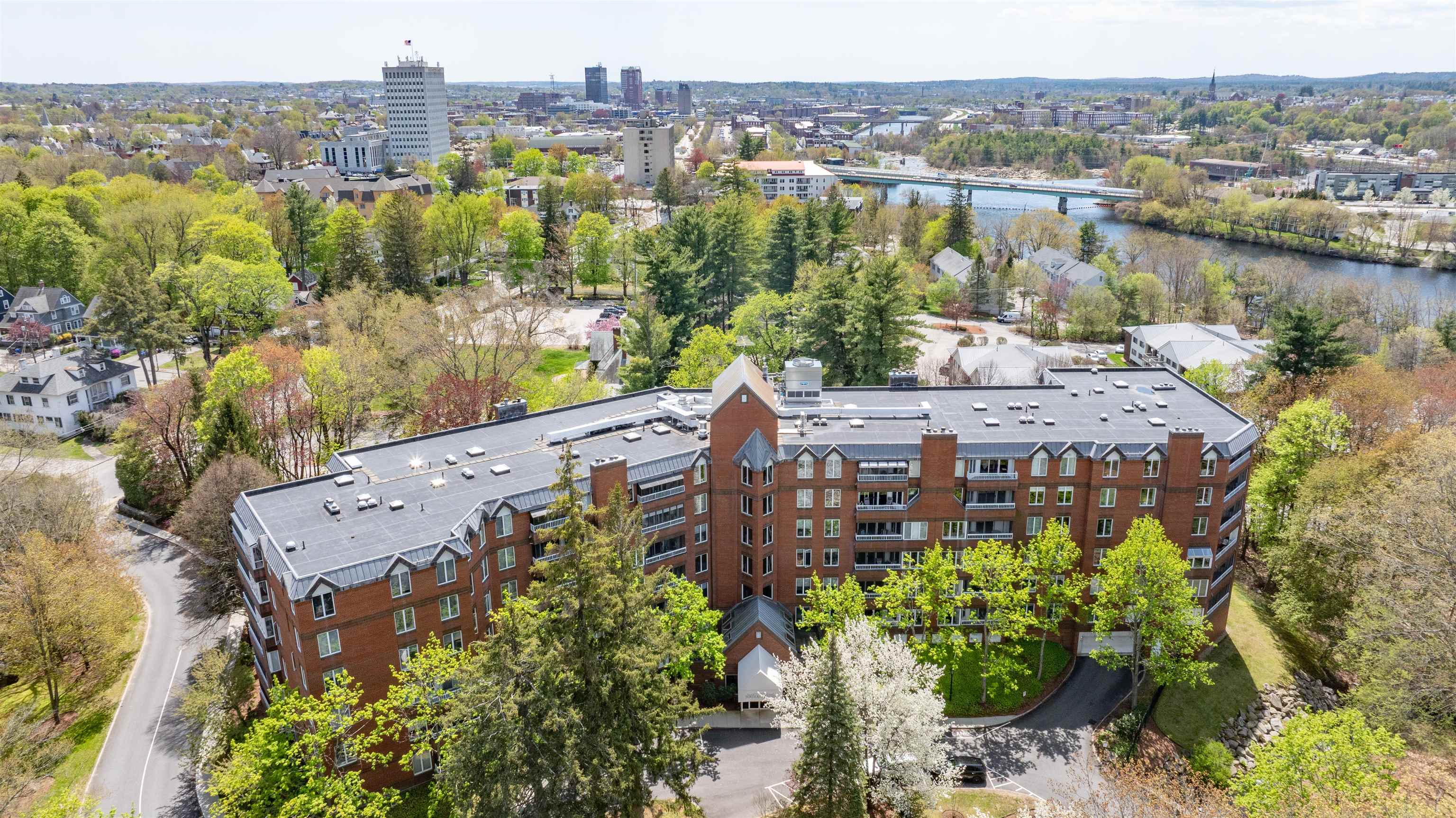
The North End's institutional buildings, schools, and offices carry both steep slate and flat roof sections, each needing detailing that handles Manchester's heavy snow and ice-dam risk.
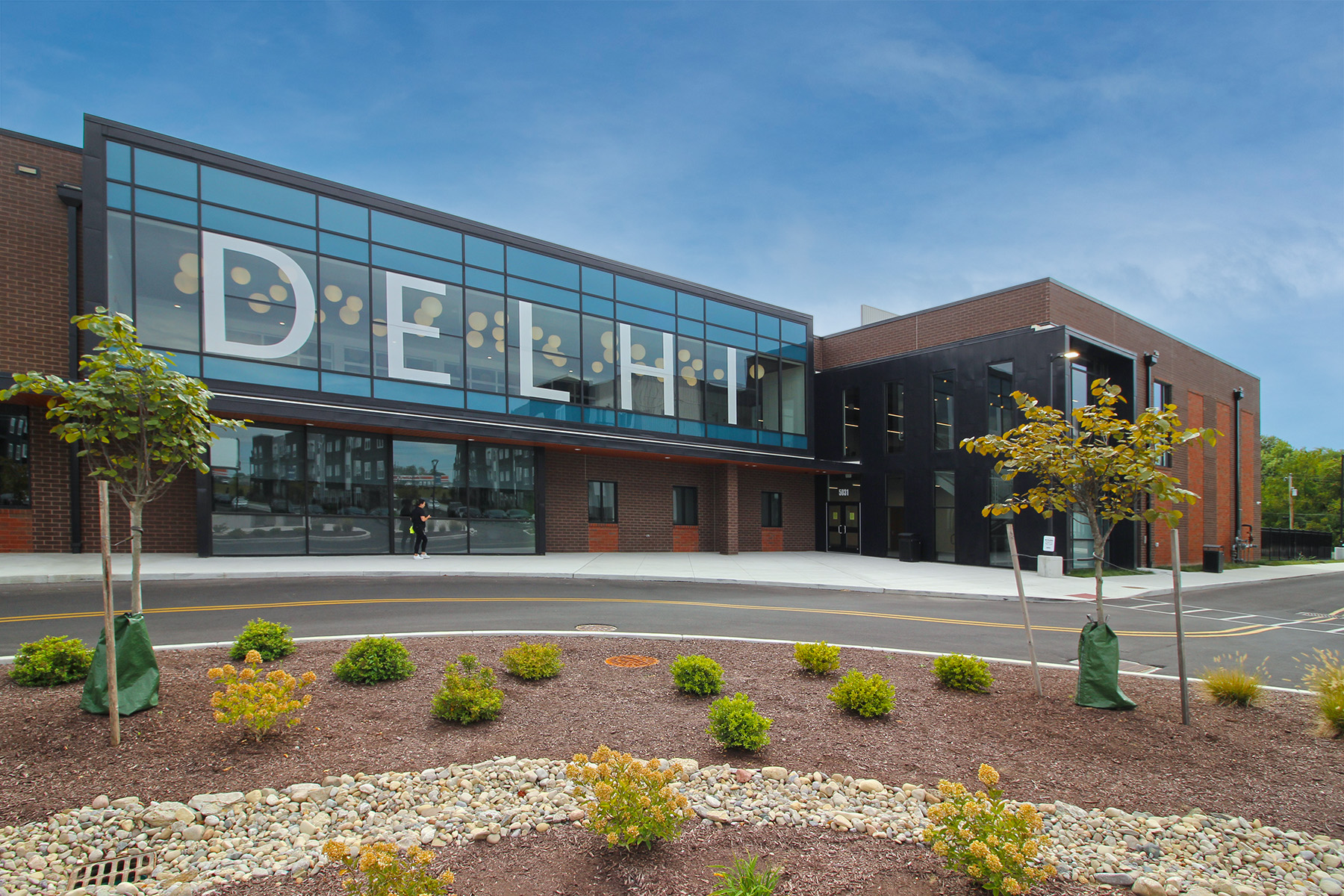
Salem's retail centers and Tuscan Village development along Route 28 carry large modern flat roofs; we keep their drains and seams ready for New Hampshire's snow and thaw.
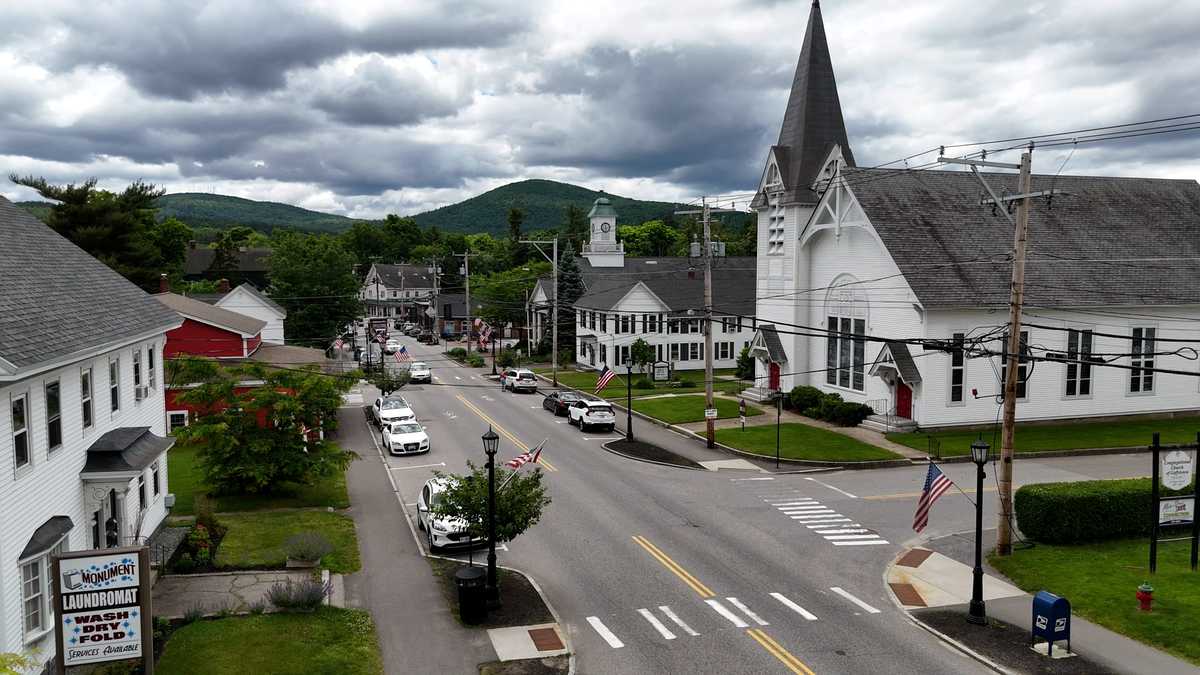
Goffstown's village commercial buildings and St. Anselm-area facilities mix steep and low slopes; roof plans here account for snow shed onto walkways and entries.
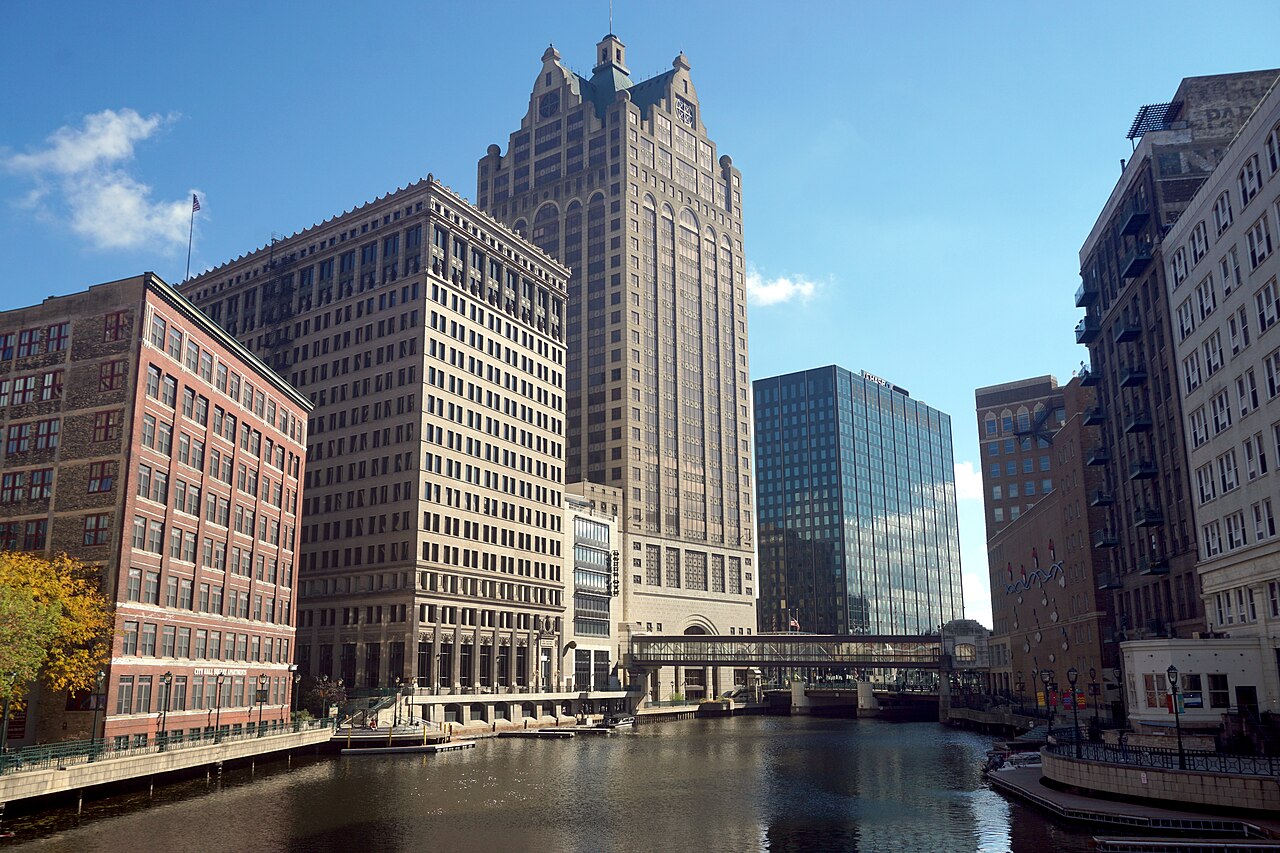
Manchester's Central Business Service District packs roofs tight against one another, so coordinating access, internal drainage, and parapet flashings is the heart of any downtown roof scope.
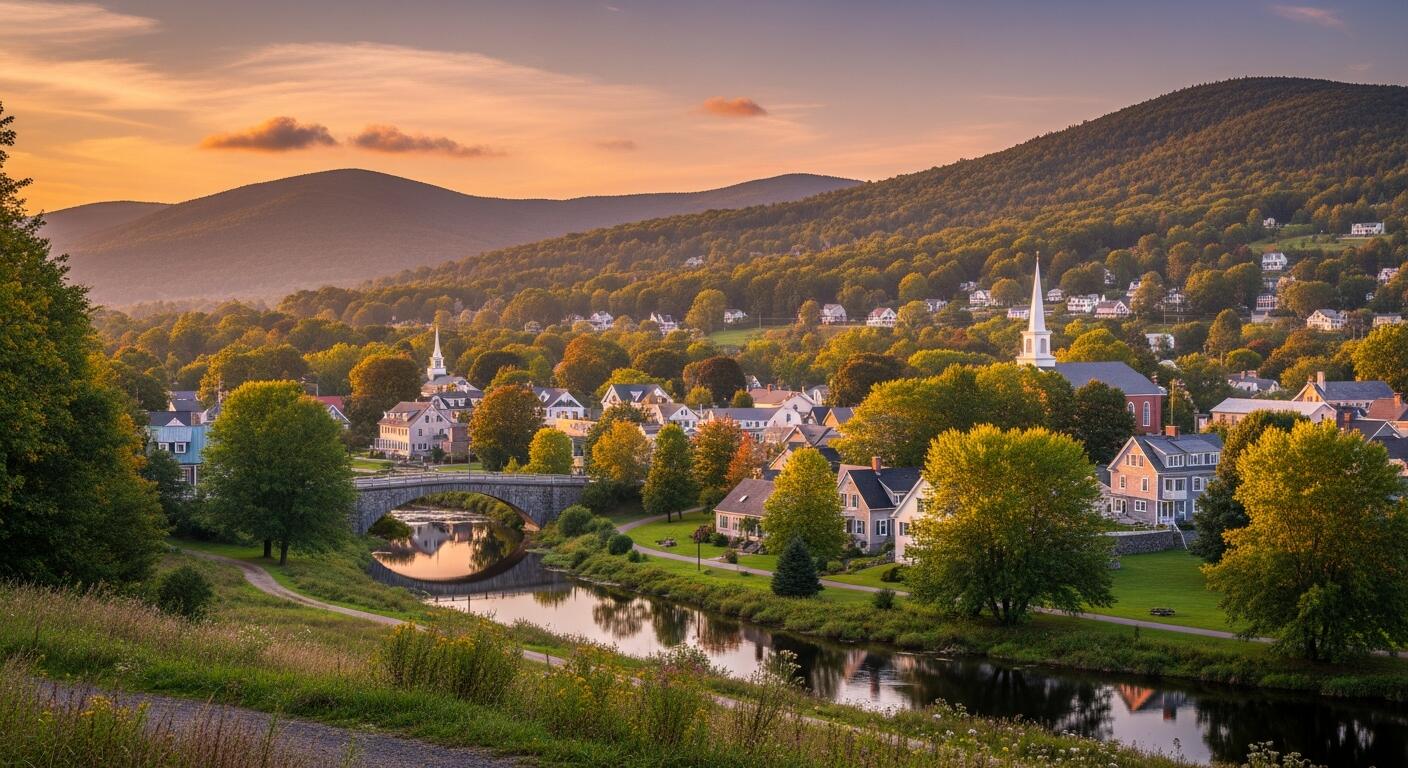
Litchfield's light-commercial and agricultural buildings along the Merrimack favor durable metal and single-ply roofs built to shed New Hampshire snow off open exposures.
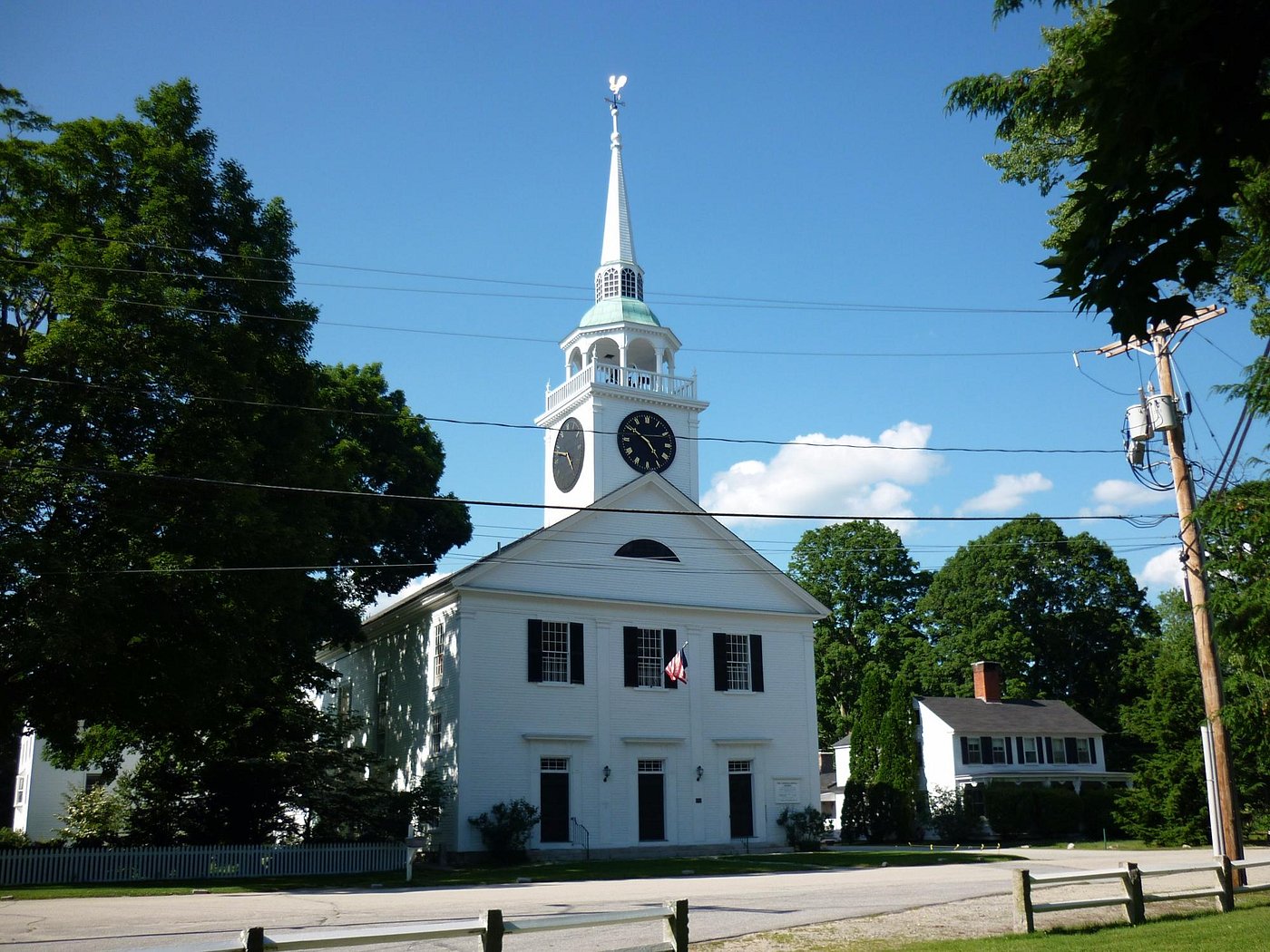
Amherst's mix of village commercial blocks and light-industrial space off Route 101A calls for roofing that suits both older low-slope decks and newer flat membranes against New Hampshire winters.
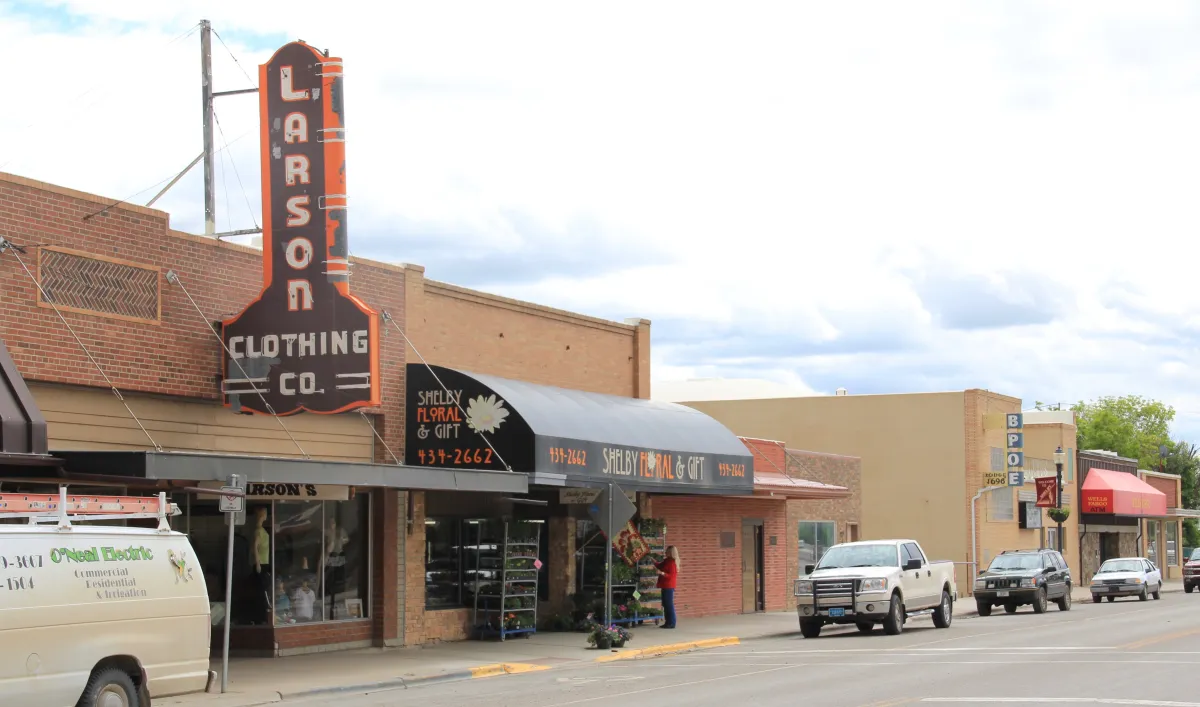
As the state capital, Concord blends government buildings with Main Street commercial blocks; roof work here often means prevailing-wage projects and historic-building detailing under New Hampshire snow.
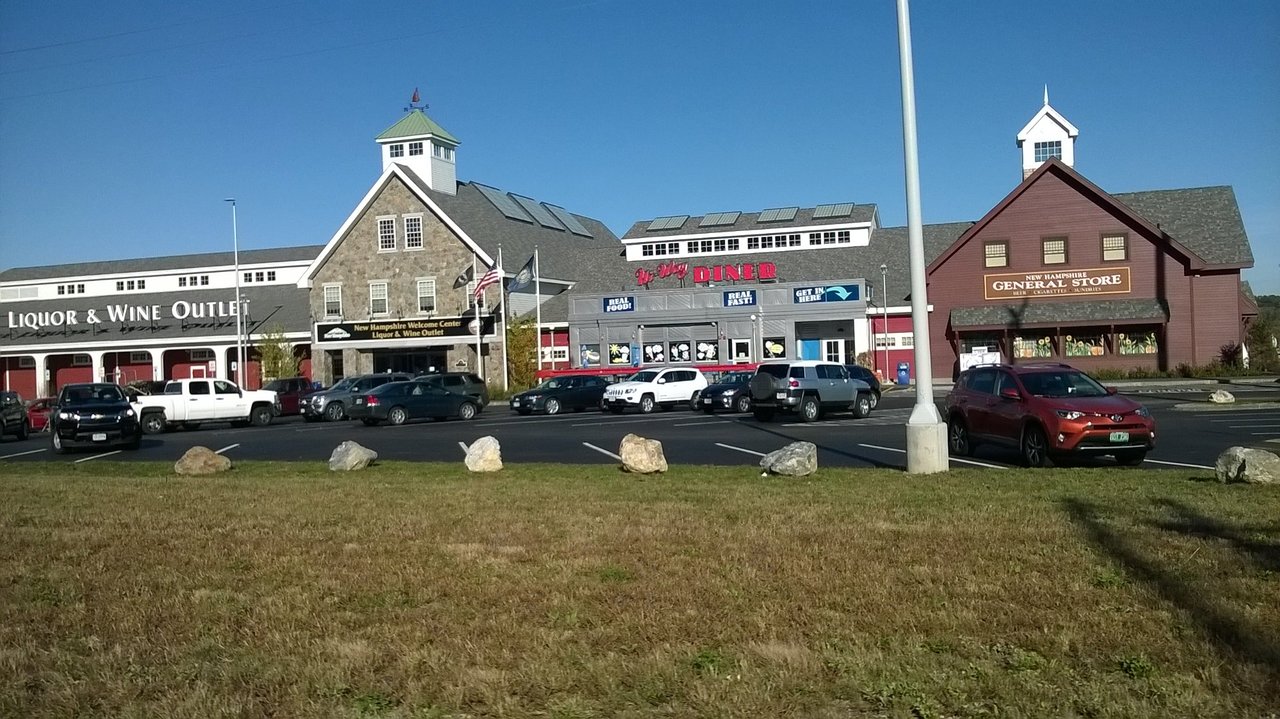
Hooksett's big-box retail and warehouse roofs along Route 3 and I-93 cover large flat spans; drainage capacity and snow loading shape nearly every project here.
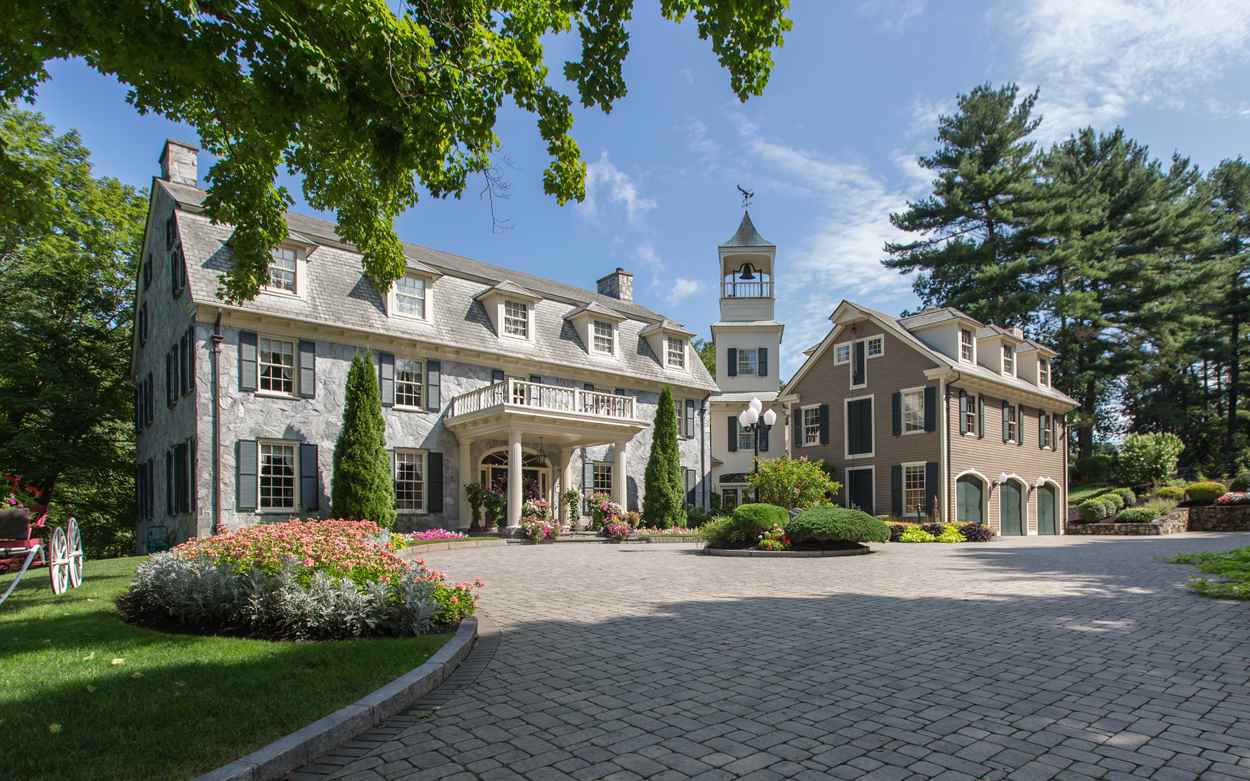
Windham's office and retail buildings near the I-93 interchange carry modern flat roofs; we keep their drainage and reflective membranes performing through the New Hampshire winter.
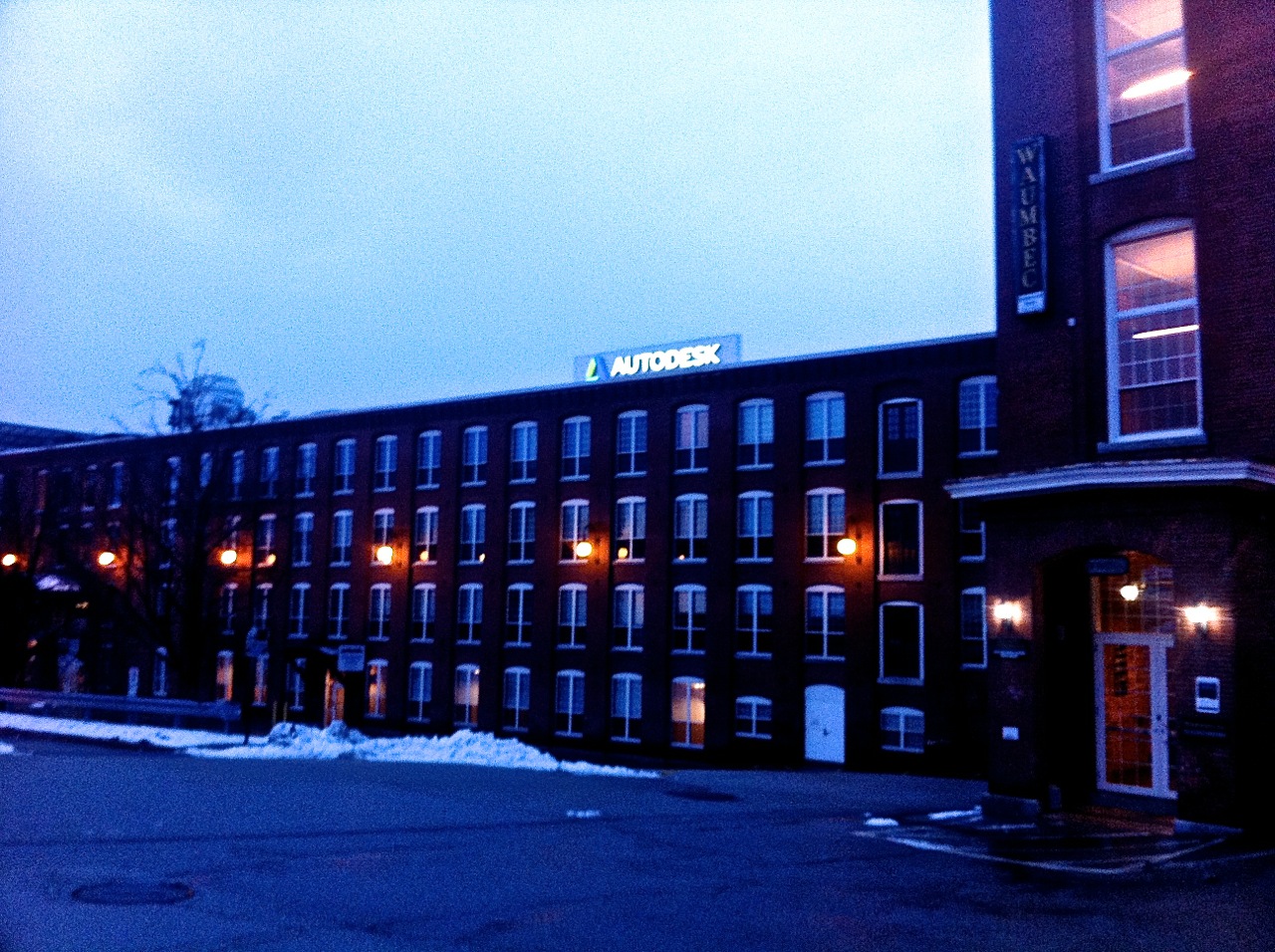
The historic Amoskeag Millyard carries some of Manchester's largest and oldest low-slope roofs; brick parapets, internal drains, and decades-old built-up systems all need careful, phased attention.
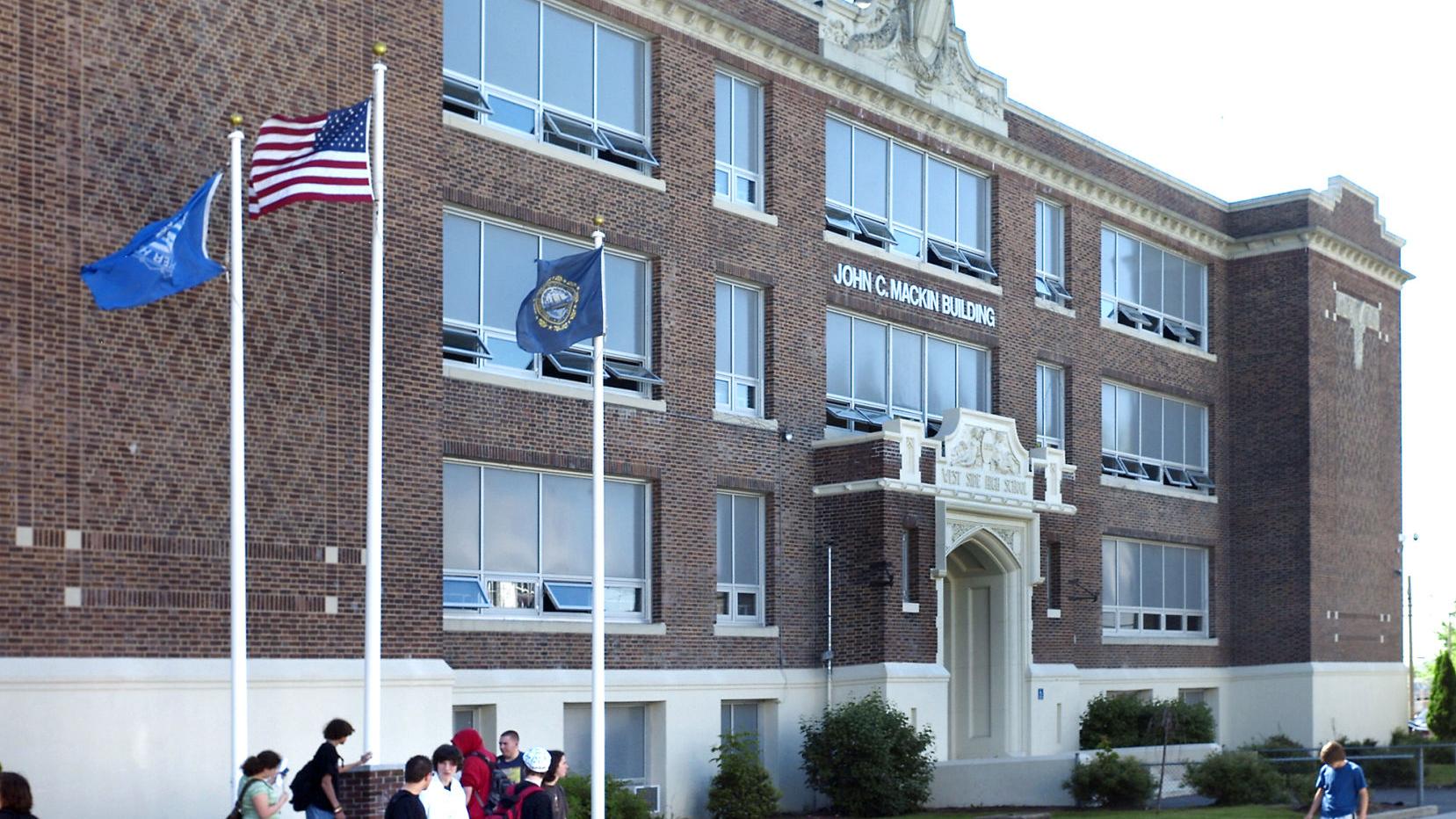
Manchester's West Side blends mill-era commercial blocks with neighborhood retail, where aging low-slope roofs and tight parapets need attention ahead of freeze-thaw season.
Derry's retail and light-industrial buildings along Route 28 see hard freeze-thaw cycling; we keep their flat roofs sealed at the seams and clear at the drains ahead of each storm.
Send the building location, roof age, leak location, tenant constraints, and access notes. We will point the request toward inspection, repair scope, maintenance, replacement budgeting, or bid comparison.
Contact Us